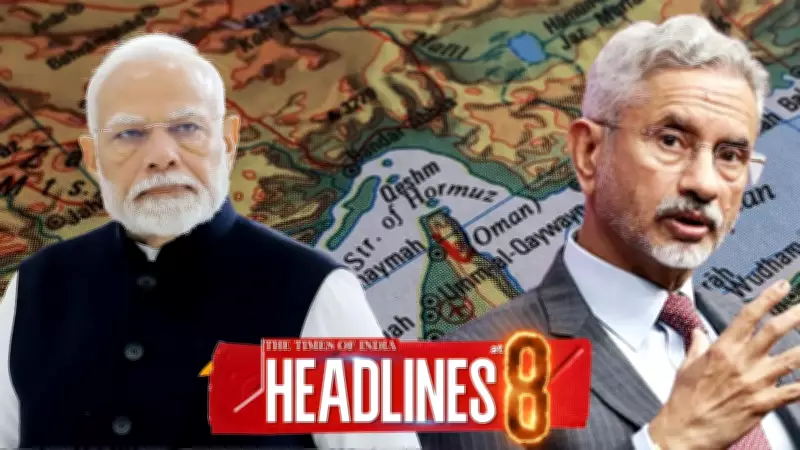
India Advocates for Unimpeded Navigation in Hormuz Strait Following Iran-US Ceasefire
The Ministry of External Affairs has officially welcomed the recent ceasefire agreement between the United States and Iran, marking a significant development in the volatile West Asia region. In a statement released on April 8, 2026, Indian authorities reiterated that dialogue and diplomacy remain the only sustainable path to permanently end the ongoing conflict that has plagued the area.
Humanitarian and Economic Concerns Highlighted
New Delhi issued a stern warning about the severe consequences of continued hostilities, pointing to the immense humanitarian distress caused by the fighting. Beyond the human toll, the conflict has been disrupting critical global energy supplies and major trade routes, creating ripple effects across the world economy.
India specifically emphasized the crucial need for unimpeded navigation and uninterrupted global commerce through the strategically vital Strait of Hormuz. This narrow waterway serves as a passage for approximately one-fifth of the world's oil shipments, making its security paramount to global energy stability.

Jaishankar's Diplomatic Mission to UAE
In a related diplomatic move, External Affairs Minister S. Jaishankar is scheduled to travel to the United Arab Emirates, where discussions about regional stability and maritime security are expected to feature prominently on the agenda. This visit underscores India's proactive engagement in seeking peaceful resolutions to conflicts that impact international trade corridors.
The Indian government's position reflects its growing role as a voice for stability in international waters, particularly those critical to energy transportation. By advocating for freedom of navigation principles, New Delhi aims to protect not only its own economic interests but also those of the global community that relies on open sea lanes for commerce.
Broader Implications for Global Trade
The ceasefire between Washington and Tehran comes at a crucial juncture when global supply chains are already facing multiple pressures. India's intervention highlights several key concerns:
- The importance of maintaining open maritime routes for uninterrupted energy flows
- The economic vulnerability of nations dependent on Middle Eastern oil exports
- The need for multilateral cooperation to ensure compliance with international maritime laws
- The potential for regional conflicts to escalate into broader trade disruptions
As one of the world's largest energy importers and a major trading nation, India has substantial stakes in ensuring that the Strait of Hormuz remains accessible to all vessels in accordance with international law. The country's diplomatic efforts seek to balance regional security concerns with the imperative of maintaining global economic connectivity.