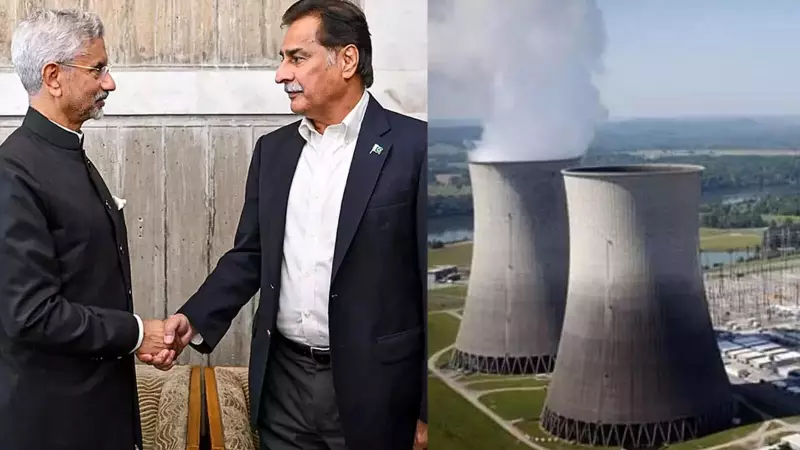
In a significant annual diplomatic exercise, India and Pakistan on Thursday exchanged detailed lists of their nuclear installations and facilities. This marks the 35th consecutive year that both nations have adhered to the Agreement on the Prohibition of Attack against Nuclear Installations and Facilities, signed back in 1988.
A Ritual of Stability Amidst Tensions
The exchange was carried out simultaneously through diplomatic channels in New Delhi and Islamabad, as confirmed by India's Ministry of External Affairs (MEA). This practice, mandated by the bilateral pact, is designed to ensure the protection of sensitive nuclear infrastructure by formally notifying each other of its locations.
Notably, this channel of communication has remained open without a single break since its inception. The first such exchange took place on January 1, 1992, and it has persisted through various phases of strained political relations and military standoffs between the two neighbours.

Decades of Uninterrupted Compliance
The consistent adherence to this agreement over three and a half decades underscores a rare, long-standing commitment to a basic level of nuclear transparency and confidence-building. Experts view this as a crucial, albeit minimal, safeguard that contributes to strategic stability in South Asia.
The core purpose of the 1988 agreement is to prevent either country from targeting the other's nuclear facilities during any conflict. By annually updating and sharing these lists, both nations reaffirm their commitment to this prohibition, creating a foundational element for nuclear risk reduction.
A Foundation for Nuclear Safety
While India and Pakistan have a complex and often contentious relationship, this annual exchange stands out as a deliberate and sustained confidence-building measure (CBM). It demonstrates a shared understanding of the catastrophic consequences that would follow any attack on nuclear assets.
The continuation of this practice, especially during periods of heightened tension, sends a signal that both capitals recognize the overriding importance of maintaining certain protocols for nuclear safety. It represents a thin but vital thread of official dialogue focused on preventing a nuclear miscalculation.
As the region navigates its geopolitical challenges, this 35-year-old ritual remains a key pillar in the fragile architecture of nuclear deterrence and stability between India and Pakistan. Its uninterrupted history is often cited as an example of pragmatic diplomacy that survives despite political discord.