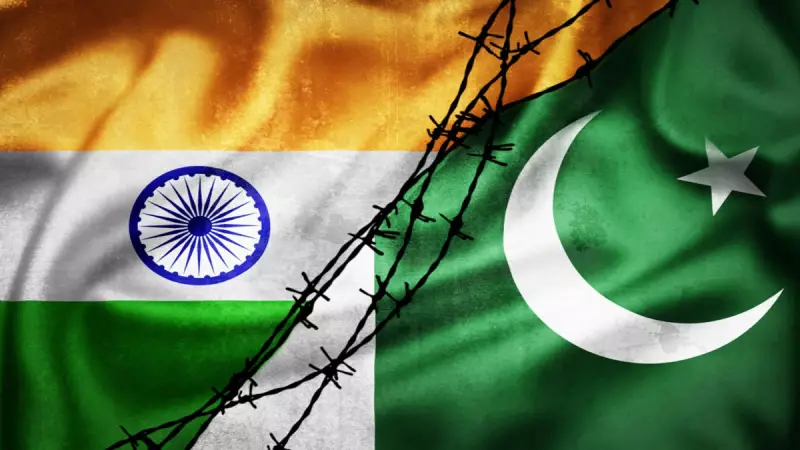
In a significant annual diplomatic exercise, India and Pakistan exchanged lists of their nuclear installations and facilities on the first day of 2026. This exchange, conducted through diplomatic channels in New Delhi and Islamabad, underscores a rare thread of continuity in a relationship often marred by deep-seated tensions and hostility.
A Pact That Withstands Strained Ties
The practice is mandated by the Agreement on the Prohibition of Attack against Nuclear Installations and Facilities, which was signed on December 31, 1988, and came into force on January 27, 1991. The landmark agreement binds both nations to inform each other about covered nuclear sites every year on January 1. This year marked the 35th consecutive exchange since the lists were first shared in 1992, a testament to the pact's resilience.
The Indian Ministry of External Affairs confirmed the exchange, stating the list was handed over to a Pakistani diplomat at the Ministry's office in New Delhi. Simultaneously, the Indian High Commission in Islamabad submitted its list to Pakistan's Ministry of Foreign Affairs. The core objective of this agreement is to prevent either side from targeting the other's nuclear assets during any conflict, thereby establishing a fundamental, if minimal, layer of nuclear risk reduction.

Why This Annual Exchange Remains Crucial
Despite a near-complete freeze in broader bilateral dialogue, the persistence of this ritual is loaded with strategic importance. Analysts point to several key reasons:
First, it acts as a critical confidence-building measure (CBM). In the absence of talks, the simple act of continuing this exchange sends a signal that both countries acknowledge the existential risks of nuclear escalation and retain a basic channel of communication on the most sensitive security issues.
Second, it reinforces a mutual commitment to nuclear safety and stability. By formally notifying each other of protected sites, the agreement creates a de facto understanding that these installations are off-limits, potentially miscalculation during a crisis.
Third, the exchange itself is a barometer of the relationship. Its uninterrupted continuation, even during periods of extreme strain like the aftermath of the 2019 Pulwama attack or the 2008 Mumbai attacks, indicates a shared, unspoken consensus on maintaining certain nuclear guardrails. A failure to exchange lists would be interpreted as a severe escalation.
The Broader Context of Strained Relations
This year's exchange occurs against a backdrop of persistently frozen diplomatic ties. High-level talks remain suspended, and cross-border terrorism continues to be a major point of contention for India. The exchange of nuclear lists stands in stark contrast to the suspension of other CBMs, such as the dialogue between nuclear doctrines experts or regular military-to-military communication.
The agreement covers installations designated for peaceful or military nuclear purposes. While the lists are confidential, they are believed to include facilities like power plants, fuel fabrication units, research reactors, and uranium enrichment plants. The act of sharing, even without revealing operational details, is symbolic of a shared responsibility to avoid catastrophic conflict.
In essence, this New Year's Day ritual is more than a procedural formality. It is a fragile but vital thread in the fabric of strategic stability in South Asia. It represents a pragmatic acknowledgment by both nuclear-armed neighbors that some lines of communication, especially those concerning weapons of mass destruction, must remain open regardless of the political climate. As long as broader dialogue remains elusive, this annual exchange will continue to be a key, albeit silent, pillar of regional security.