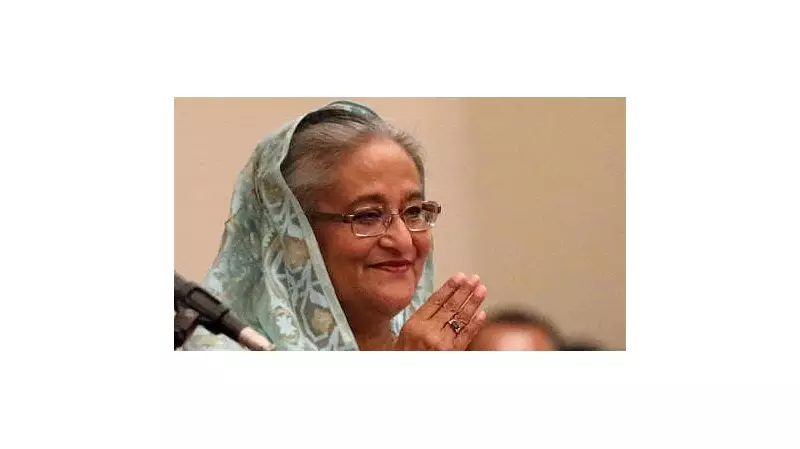
India has communicated a significant diplomatic position to the interim government in Bangladesh, led by Muhammad Yunus, regarding the stay of Sheikh Hasina, the daughter of Bangabandhu Sheikh Mujibur Rahman, on its soil. New Delhi has reportedly clarified that her presence would not "constrict" its space for engagement with Dhaka, underscoring a nuanced approach to a sensitive political situation.
India's Diplomatic Communication to Dhaka
According to reports, India conveyed this message directly to the interim regime in Bangladesh. The core of the communication was that India's bilateral relationship with Bangladesh operates on its own strategic merits and will not be held hostage by the presence of any individual. This stance highlights India's intent to maintain a steady and independent foreign policy course with its important neighbor, regardless of internal political developments.
The message was delivered amidst discussions concerning Sheikh Hasina's potential extradition. By stating that her stay does not constrict engagement, India is signaling that its channels with the current administration in Dhaka remain fully open and functional. This move is seen as an effort to balance humanitarian considerations with realpolitik and long-term regional interests.

Context of the Interim Regime and Hasina's Status
The backdrop to this development is the political transition in Bangladesh, where an interim government under Nobel laureate Muhammad Yunus is currently overseeing affairs. Sheikh Hasina, a central figure in Bangladeshi politics and the former Prime Minister, is currently outside the country. Her potential return or extradition has become a point of international diplomatic attention.
India's position, as reported, subtly reinforces its principle of providing assistance during existential crises while carefully avoiding any overt interference. The statement implies that India's doors remain open for those in need, but this hospitality is a separate matter from state-to-state relations. This distinction is crucial for maintaining India's credibility as a regional power that respects sovereignty while upholding certain humanitarian values.
Implications for Bilateral Relations
This diplomatic maneuver has several potential consequences. Firstly, it assures the Muhammad Yunus-led interim government that India is committed to a constructive dialogue, seeking to allay any concerns that New Delhi might be taking sides in Bangladesh's complex political landscape. Secondly, it provides India with strategic flexibility, allowing it to engage with all legitimate stakeholders in Bangladesh without appearing to abandon long-standing political connections.
Analysts suggest that by making this position clear, India aims to prevent the bilateral relationship from being defined or derailed by a single issue. The India-Bangladesh relationship encompasses critical areas like trade, connectivity, security, and water-sharing, and New Delhi's statement seeks to insulate these broader interests from immediate political turbulence. The reported communication, dated 18 December 2025, marks a calculated step in managing a delicate diplomatic scenario on its eastern frontier.