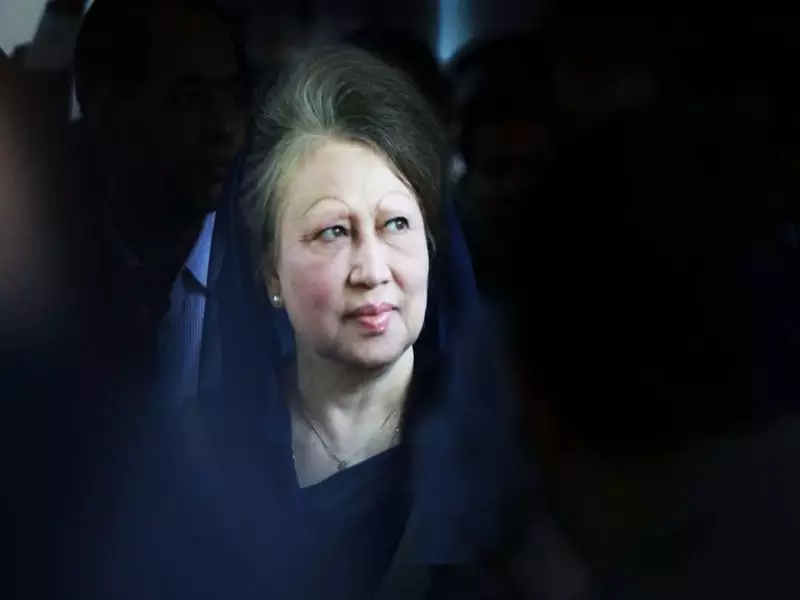
The political landscape of Bangladesh and the broader South Asian region is in mourning following the death of former Prime Minister Begum Khaleda Zia. The two-time premier, a towering and controversial figure in Bangladeshi politics, passed away, prompting an outpouring of grief and official tributes. In a significant gesture, the Government of Bangladesh announced she would be laid to rest with full state honours, a decision that underscores her indelible mark on the nation's history.
India Extends Condolences, Strengthening Bilateral Ties
From across the border, India swiftly expressed its solidarity with the people of Bangladesh. Prime Minister Narendra Modi led the condolences, conveying his deep sadness over the passing of the former leader. In his message, PM Modi described Khaleda Zia's death as a "great loss" and extended his sympathies to her family, supporters, and the citizens of Bangladesh. This diplomatic gesture highlights the importance India places on its relationship with its neighbour, especially during moments of national significance.
The Indian Ministry of External Affairs also issued a formal statement, reinforcing the message of shared grief. This expression of condolence is seen as a step to maintain and nurture the delicate diplomatic balance between the two nations, which have witnessed evolving relations under different political leaderships in Dhaka.

A Life in Politics: From First Lady to Prime Minister
Khaleda Zia's journey to the pinnacle of power was both dramatic and historic. She entered the political fray following the assassination of her husband, President Ziaur Rahman, in 1981. Initially reluctant, she eventually took the helm of the Bangladesh Nationalist Party (BNP), which was founded by her late husband.
Her political career was defined by a fierce rivalry with the Awami League and its leader, Sheikh Hasina, the current Prime Minister of Bangladesh. This decades-long political feud shaped the country's destiny. Khaleda Zia first made history by becoming the first woman Prime Minister of Bangladesh in 1991. She would go on to serve two terms, from 1991 to 1996 and again from 2001 to 2006.
Her tenure was marked by significant economic reforms and infrastructure development, but also by allegations of corruption, political violence, and a hardline stance. In her later years, she faced significant legal challenges, culminating in convictions on corruption charges that effectively barred her from contesting elections and confined her to hospital care under government supervision.
State Funeral: A Gesture of National Reconciliation
The decision by the government of Prime Minister Sheikh Hasina to accord Khaleda Zia a state funeral is a momentous and symbolic act. Despite being arch-rivals for most of their political lives, this move signals a gesture of national unity and respect for a former head of government. The funeral arrangements include full military honours, reflecting the state's acknowledgment of her service to the nation.
Her final journey began from the Evercare Hospital in Dhaka, where she had been receiving treatment for a prolonged period. Her body was then taken to the National Mosque for prayers, allowing the public to pay their last respects. The burial is scheduled at the Banani Graveyard in the capital, where she will be laid to rest beside her husband's grave.
Regional Implications and the Path Forward
The passing of Khaleda Zia marks the end of an era in Bangladeshi politics. Her absence creates a significant vacuum within the BNP, which now faces the formidable challenge of reorganizing itself and finding a new leadership direction. For the ruling Awami League, the political dynamics may shift, but the fundamental contest of ideologies is likely to persist.

For India, the event is a critical moment in its neighbourhood first policy. The immediate and respectful response from New Delhi is aimed at fostering goodwill. India has a vested interest in a stable, peaceful, and prosperous Bangladesh. The continuity of engagement, irrespective of the political players involved, remains a cornerstone of India's foreign policy in the region. The condolences offered are not just for a departed leader but also a reaffirmation of India's commitment to its bilateral relationship with Bangladesh.
As Bangladesh prepares to bid farewell to one of its most defining political figures, the ceremonies are being watched closely by allies and observers worldwide. The state funeral serves as a powerful reminder of the complex tapestry of South Asian politics, where rivalry and respect can coexist, and where the passing of a leader can resonate far beyond national borders.