

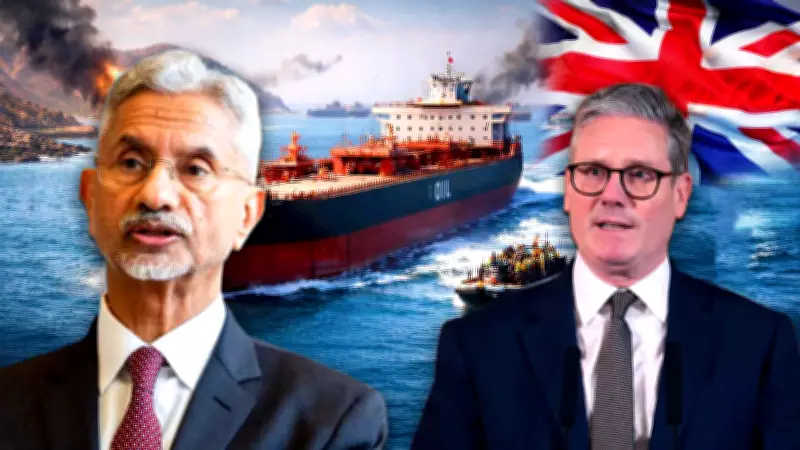
India Confirms Attendance at UK-Hosted Meeting on Strait of Hormuz Reopening
The Ministry of External Affairs has officially confirmed that India will participate in high-level talks hosted by the United Kingdom to discuss the reopening of the strategically vital Strait of Hormuz. This development comes amid escalating tensions in West Asia that have raised global concerns about maritime security and energy supply chains.
Critical Waterway for India's Energy Security
The Strait of Hormuz represents an absolutely essential maritime corridor for India's national energy security framework. More than 88% of India's crude oil requirements are imported through international channels, with over half of these imports specifically sourced from West Asian nations. This geographical reality makes safe and uninterrupted passage through this narrow waterway between the Persian Gulf and the Gulf of Oman absolutely paramount to India's economic stability and strategic autonomy.
Foreign Secretary to Represent India

India's Foreign Secretary will personally attend these crucial discussions, underscoring the significant importance New Delhi places on this matter. The participation at this senior diplomatic level demonstrates India's proactive approach to safeguarding its vital national interests amid the ongoing regional crisis that threatens to disrupt global energy markets.
Economic and Strategic Implications
The potential disruption of oil shipments through the Strait of Hormuz poses severe risks to India's rapidly growing economy. Any prolonged closure or restriction of this maritime passage could trigger:
- Significant increases in global oil prices
- Disruptions to India's domestic fuel supply chains
- Negative impacts on industrial production and transportation
- Increased inflationary pressures on the Indian economy
India's participation in these UK-hosted talks reflects a strategic commitment to multilateral diplomacy aimed at ensuring regional stability and protecting crucial international shipping lanes. The discussions are expected to focus on establishing cooperative security measures, diplomatic de-escalation strategies, and contingency planning to maintain the free flow of maritime traffic through this globally significant choke point.
The timing of these talks coincides with heightened geopolitical tensions in West Asia that have already affected global energy markets. India's active engagement in this diplomatic initiative demonstrates its growing role as a responsible stakeholder in maintaining international maritime security and global economic stability.






