Prime Minister Narendra Modi and German Chancellor Olaf Scholz have issued a powerful, unified stance against global terrorism, labelling it the "most serious" and "ultimate" threat to humanity. The declaration came during Chancellor Scholz's two-day state visit to India, marking a significant deepening of strategic ties between the two nations with a focus on shared security challenges.
A Firm Stance Against a Global Scourge
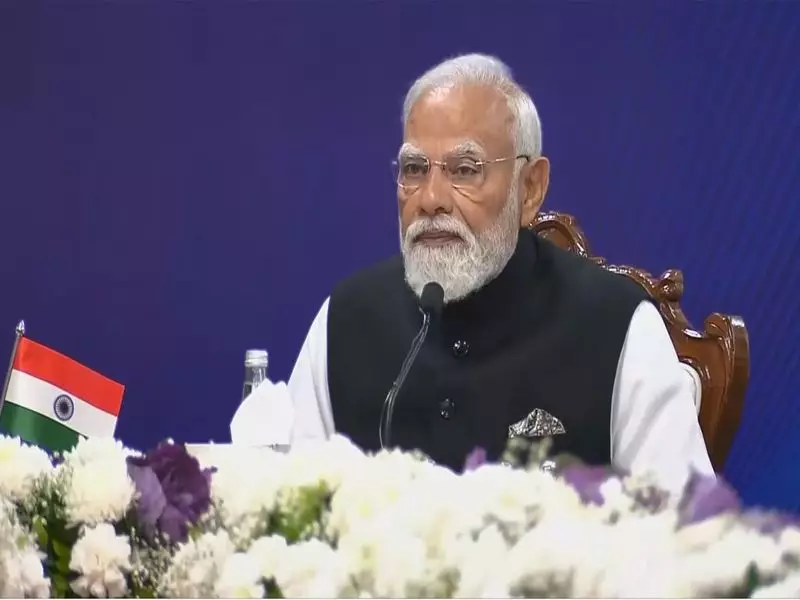
Following comprehensive talks in New Delhi, the two leaders underscored the critical need for a coordinated international response to terrorism. In a joint press statement, Prime Minister Modi emphasised the non-negotiable nature of this fight. "We agree that terrorism is the most serious threat to humanity," PM Modi stated. "Both countries are unanimous in the opinion that terrorism is unacceptable in any form." This strong language signals a mutual commitment to move beyond condemnation to concrete collaborative action.
The discussions, held on February 25, 2023, covered a wide spectrum of bilateral and global issues. However, the consensus on counter-terrorism emerged as a cornerstone of the dialogue. Chancellor Scholz echoed the sentiment, agreeing on the profound danger posed by extremist violence to global peace and stability.

Deepening the India-Germany Strategic Partnership
The commitment to fight terrorism together is a pivotal element of the enhanced partnership between India and Germany. The leaders explored multiple avenues for cooperation, including intelligence sharing, disrupting terror financing networks, and bolstering cyber-security frameworks to prevent online radicalisation. This collaboration is expected to extend to multilateral forums, where both nations will push for stronger implementation of existing counter-terror measures and advocate for a comprehensive global convention on international terrorism.
Beyond security, the bilateral talks yielded progress in other key areas. PM Modi and Chancellor Scholz agreed to accelerate cooperation in green and sustainable development, with a focus on clean energy. They also discussed deepening trade and investment links, particularly in advanced manufacturing and technology sectors. The visit served to reinforce the strong economic and political bonds between the world's largest democracy and a leading European power.
Implications for Global Security Architecture
The joint stance taken by India and Germany carries considerable weight in the international arena. By presenting a united front, the two democracies send a clear message to state and non-state actors who sponsor or harbour terrorist groups. This partnership bridges continents and combines India's experience in combating cross-border terrorism with Germany's expertise and influence within European and transatlantic security frameworks.
The resolve shown in New Delhi is likely to translate into more synchronized diplomatic efforts at platforms like the United Nations. It strengthens the global norm against terrorism and reinforces the principle that political, ideological, or religious justifications cannot excuse acts of terror. The agreement sets the stage for more structured and operational-level cooperation between Indian and German security and intelligence agencies in the future.
In conclusion, Chancellor Scholz's visit has solidified a critical pillar of the India-Germany relationship. The mutual identification of terrorism as the ultimate threat, coupled with a pledge for joint action, marks a forward-looking and pragmatic shift in the strategic partnership. It reflects a shared vision for a secure, stable, and rules-based international order, where democratic nations collaborate closely to defeat the forces of violence and extremism.