India Issues Sharp Rebuttal to Baseless US Ports Claim Amid Rising Tensions
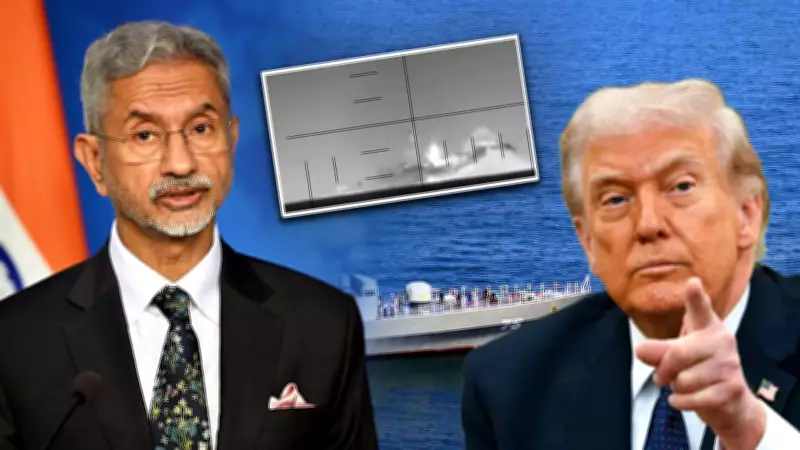
In a significant diplomatic development, India has forcefully rejected what it calls "fabricated" claims suggesting American military forces were utilizing Indian ports for offensive operations against Iran. This strong rebuttal comes as the conflict between the United States and Iran dramatically expands into the Indian Ocean region, creating new security challenges.
Controversial Remarks Prompt Firm Response
The Ministry of External Affairs in New Delhi issued a sharp statement dismissing recent comments by Douglas Macgregor that alleged American forces were using Indian ports to conduct strikes against Iranian targets. Indian officials categorically labeled these assertions as fake information and warned against spreading such misinformation about India's role in the ongoing conflict.
"We have seen these baseless claims and want to make it absolutely clear that India maintains strict neutrality in this matter," a senior diplomatic source stated. "Our ports are not being used for any military operations against Iran or any other nation."

Dramatic Naval Incident Escalates Conflict
The diplomatic exchange occurs against the backdrop of a serious military confrontation in the Indian Ocean. According to multiple reports, an American submarine successfully targeted and sank the Iranian warship IRIS Dena in waters located south of Sri Lanka. This incident represents a major escalation, marking the first time the US-Iran conflict has extended beyond the Persian Gulf into the broader Indian Ocean region.
Key aspects of this development include:
- The IRIS Dena was reportedly torpedoed by US naval forces
- The incident occurred in international waters near Sri Lanka
- This marks a significant geographical expansion of the conflict zone
- Critical shipping lanes through the Indian Ocean are now affected
India's Strategic Position and Regional Concerns
As a major regional power with extensive maritime interests, India finds itself in a delicate position. The Indian Ocean serves as a crucial artery for global trade, with approximately 80% of the world's maritime oil trade passing through its waters. India's response reflects several strategic considerations:
- Protecting national sovereignty: Ensuring foreign powers do not misuse Indian territory
- Maintaining regional stability: Preventing escalation that could disrupt vital shipping routes
- Preserving diplomatic independence: Avoiding entanglement in external conflicts
- Securing economic interests: Protecting the flow of commerce through critical sea lanes
"India's primary concern remains the stability and security of the Indian Ocean region," explained a defense analyst. "We cannot allow misinformation to create false narratives about our involvement or compromise our strategic autonomy."
Broader Implications for Regional Security
The sinking of the Iranian warship and subsequent diplomatic exchanges highlight several important regional security dynamics. The expansion of the US-Iran conflict into the Indian Ocean creates new challenges for all nations bordering this vital waterway. India's firm stance against misinformation serves multiple purposes:
- Clarifying India's neutral position in the conflict
- Preventing escalation through clear communication
- Protecting India's reputation as a responsible regional actor
- Ensuring continued freedom of navigation in critical sea lanes
As tensions continue to surge, India has made its position unequivocally clear through diplomatic channels. New Delhi supports stability in the region and will not allow fabricated information to misrepresent its carefully calibrated position in this complex international conflict. The government continues to monitor developments closely while maintaining its firm diplomatic stance against being drawn into external military narratives.