India Takes Firm Stance on Rafale Fighter Jet Negotiations
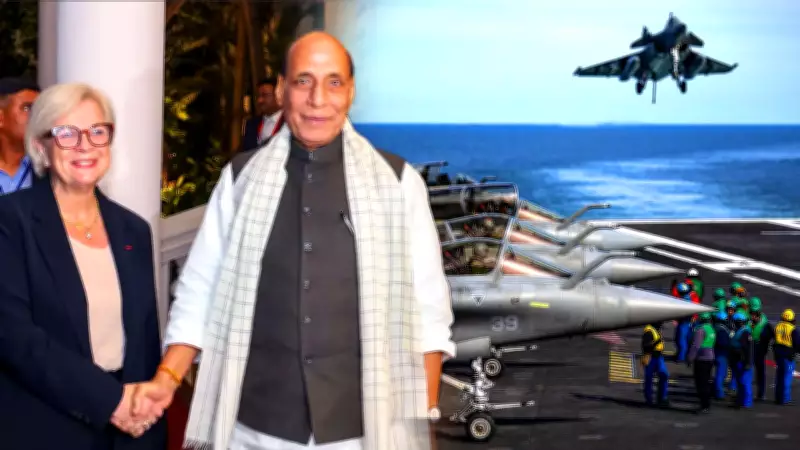
India has entered a new phase in its negotiations with France regarding the Rafale fighter jet deal, signaling a tough stand that prioritizes deep localization and comprehensive technology transfer. Defence Minister Rajnath Singh has conveyed India's firm position that any agreement for 114 Rafale jets must align with the Make in India initiative, reflecting a strategic shift in the nation's defence procurement approach.
Make in India at the Core of Defence Strategy
The negotiations have taken a significant turn as India demands that 96 of the proposed 114 aircraft be manufactured domestically. This move is part of a broader strategy to enhance industrial integration and achieve long-term strategic autonomy in defence production. New Delhi is targeting up to 60 percent indigenous content in the Rafale jets, which would mark a substantial increase in local manufacturing capabilities.
Defence Minister Rajnath Singh emphasized that the deal must serve India's priorities for co-production and technological self-reliance. This stance underscores the government's commitment to reducing dependency on foreign defence imports and building a robust domestic defence industry.

Broader Implications for India's Defence Policy
The tough negotiations reflect a broader shift in India's defence strategy, which now focuses on:
- Co-production agreements that facilitate technology sharing
- Industrial integration between Indian and foreign defence manufacturers
- Strategic autonomy in defence capabilities and supply chains
This approach aims to transform India from a defence importer to a manufacturing hub, creating jobs and fostering innovation within the country. The Rafale deal negotiations serve as a test case for how India will approach future defence partnerships with other nations.
Technical and Strategic Considerations
The demand for deeper localization goes beyond mere assembly of components. India is seeking:
- Transfer of critical technologies related to aircraft systems
- Development of domestic supply chains for aerospace components
- Training and capability building for Indian engineers and technicians
- Long-term maintenance, repair, and overhaul capabilities within India
This comprehensive approach ensures that India not only acquires advanced fighter jets but also builds the industrial ecosystem to support and eventually develop similar capabilities independently.
The negotiations come at a time when India is modernizing its armed forces and seeking to balance strategic partnerships with multiple global powers. The outcome of these talks will likely influence future defence deals with other countries as India continues to assert its requirements for technology transfer and local manufacturing.