In a powerful reaffirmation of its 'Neighbourhood First' foreign policy, India has pledged its full support to help Sri Lanka recover from the widespread destruction caused by a severe cyclonic storm. External Affairs Minister Dr. S. Jaishankar delivered this message of solidarity during a high-level diplomatic meeting, underscoring India's role as a reliable and swift responder in regional crises.
A Firm Commitment in a Time of Crisis
Dr. Jaishankar conveyed India's steadfast commitment while meeting with Sri Lanka's Minister of Foreign Affairs, Ali Sabry, on the sidelines of the 15th World Economic Forum (WEF) Summit in Riyadh, Saudi Arabia. The discussions, held on Sunday, April 28, 2024, centered on the immediate aftermath and the long road to recovery for Sri Lanka following the landfall of Cyclone Ditwah.
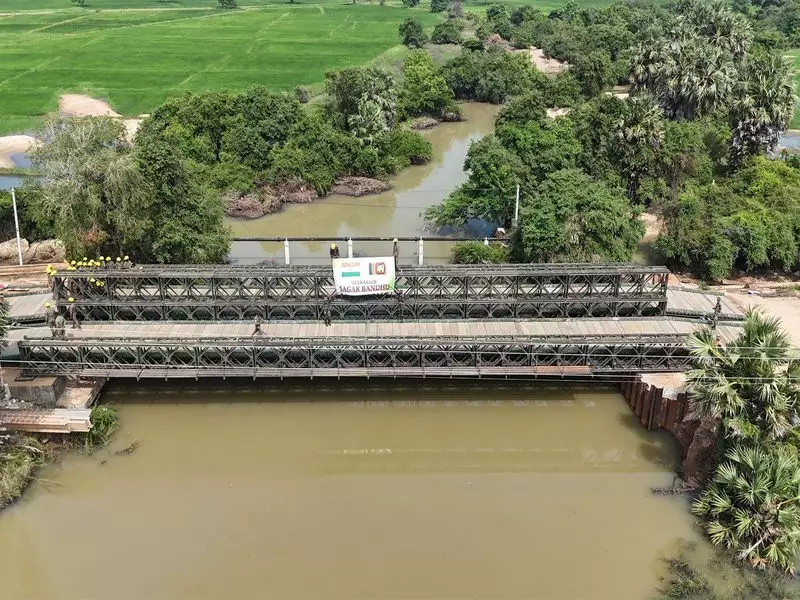
The minister emphasized that India stands ready to extend all necessary assistance for reconstruction efforts in the island nation. This pledge is a direct extension of India's proven track record of being the first responder in the Indian Ocean region during natural calamities and humanitarian emergencies.

The Devastation Wrought by Cyclone Ditwah
While the original report did not specify exact casualty figures or the full extent of material damage, cyclonic storms of this magnitude typically result in significant hardship. Such events often lead to:
- Loss of life and displacement of communities.
- Widespread damage to critical infrastructure like roads, power lines, and communication networks.
- Destruction of homes, public buildings, and agricultural land.
- Severe disruption to livelihoods and the local economy.
It is in the face of such challenges that India's offer of support becomes crucial for stabilizing the situation and initiating the rebuilding process.
More Than Just Disaster Relief: Strengthening Bilateral Ties
The meeting between the two foreign ministers covered broader aspects of the India-Sri Lanka bilateral relationship. Dr. Jaishankar's assurance of support in the wake of the cyclone is deeply intertwined with the larger framework of cooperation between the two neighbouring countries.
This interaction in Riyadh highlights that diplomatic engagement continues seamlessly across global platforms, with a constant focus on regional well-being. India's proactive approach reinforces its image as a responsible regional power that prioritizes the security and stability of its immediate neighbours through concrete action.
The 'Neighbourhood First' policy is not merely a diplomatic slogan but a guiding principle that translates into tangible aid, economic partnership, and people-centric connectivity projects. Disaster management and humanitarian assistance have become a cornerstone of this policy, building immense goodwill and trust.
A Pattern of Proven Support
India's latest commitment follows a consistent pattern. During Sri Lanka's severe economic crisis, India emerged as its largest bilateral supporter, providing multi-billion dollar assistance in the form of credit lines, currency swaps, and essential supplies like food, fuel, and medicine. This history of reliable support sets the context for the current pledge of reconstruction aid post-cyclone, demonstrating that India's partnership is for all seasons—both in times of economic distress and natural disasters.
The commitment made by External Affairs Minister Jaishankar sends a clear message: India will walk alongside Sri Lanka through the difficult process of rebuilding lives and infrastructure. It strengthens the fabric of a relationship that is vital for the peace and prosperity of the entire Indian Ocean region.