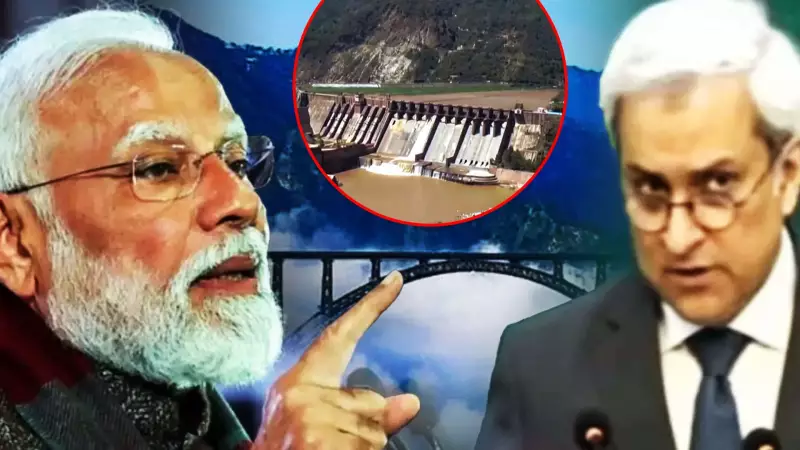
In a significant move with strategic implications, India has granted environmental clearance for a major new hydropower project on the Chenab River. This decision comes in the wake of the suspension of the Indus Waters Treaty and has immediately triggered fresh diplomatic tensions with Pakistan.
Project Details and Strategic Context
The approved project is the 260 megawatt Dulhasti Stage II hydropower plant, to be located in the Kishtwar district of Jammu and Kashmir. This clearance, reported on January 2, 2026, follows closely on the heels of environmental approval for the Sawalkot project further downstream on the same river. Indian authorities assert that the project is a legitimate exercise of its rights and represents the long-delayed harnessing of the region's vast hydropower potential.
Analysts view this approval as a clear strategic signal, particularly following events like Operation Sindoor. It underscores India's stated resolve not to compromise on its water security interests. Historically, India has underutilized its share of the western rivers under the Indus Waters Treaty framework, but the Chenab is now becoming central to both its energy development goals and its broader strategic calculus in the region.

Pakistan's Reaction and Treaty Tensions
The move has sparked immediate and strong protest from Pakistan. The Pakistani Foreign Office has accused India of violating provisions of the Indus Waters Treaty, specifically claiming that it was not formally informed about the Dulhasti Stage II project as required by the treaty's mechanisms. This allegation adds another layer of complexity to the already strained water-sharing agreement between the two nuclear-armed neighbors.
The project approval arrives at a time when the foundational Indus Waters Treaty itself is in a state of suspension, a major setback in bilateral relations. Pakistan's panic stems from concerns over water flow and the cumulative impact of Indian projects on rivers allocated to it under the treaty.
Implications for Regional Dynamics
India's firm stance on proceeding with hydropower development on the Chenab highlights a shift towards a more assertive utilization of its water resources. The government's position is that these projects are run-of-the-river designs, which are permitted under the treaty, and are crucial for the economic development and energy security of Jammu and Kashmir.
This development is likely to further strain diplomatic channels. It reinforces a pattern where water resources are increasingly intertwined with national security and foreign policy postures. The coming months will be critical in observing how Pakistan chooses to escalate its objections and whether any third-party mediation, as allowed under the treaty, is sought.
For India, the message is one of sovereign right and developmental imperative. The clearance for Dulhasti Stage II is not just about electricity generation; it is a pronounced statement in the ongoing, tense dialogue over shared rivers in South Asia.