

India and Canada Forge Shared Security Work Plan to Mend Ties and Combat Crime
In a significant step toward normalizing diplomatic relations, India and Canada have agreed to formulate a comprehensive "shared work plan" to guide bilateral cooperation on national security and law enforcement issues. This strategic initiative is designed to foster practical collaboration in addressing mutual concerns, including the growing threat of transnational criminal networks and illegal drug flows.
High-Level Meeting in Ottawa Sets the Stage
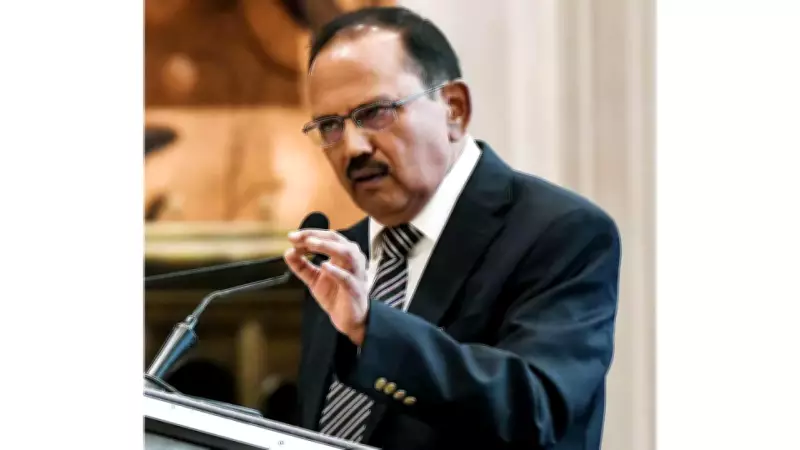
The landmark decision was taken during a crucial meeting between India's National Security Adviser, Ajit Doval, and his Canadian counterpart, Nathalie Drouin, held in Ottawa on Saturday. This high-level engagement is widely viewed as part of concerted efforts by both nations to repair their relationship, which had been severely strained following a diplomatic dispute over the 2023 killing of Khalistani separatist Hardeep Singh Nijjar.
NSA Doval's visit to the Canadian capital coincides with ongoing preparations for a potential trip to India early next month by Canadian Prime Minister Mark Carney, indicating a thaw in bilateral engagements.

Details of the Bilateral Agreement
According to a statement released by the Ministry of External Affairs (MEA) on Sunday, both sides acknowledged the progress made on initiatives aimed at enhancing the safety and security of their respective countries and citizens. The MEA elaborated that the two nations have agreed to a shared work plan that will serve as a framework for bilateral cooperation on national security and law enforcement matters, enabling practical collaboration on respective priorities.
Key components of the agreement include:
- Each country will establish security and law-enforcement liaison officers to strengthen institutional linkages.
- Respective agencies will build on existing working relationships to enhance operational coordination.
- The initiative aims to streamline bilateral communications and facilitate timely information sharing on issues of mutual concern.
Focus Areas for Collaboration
The MEA highlighted that this "important step" will specifically address critical challenges such as the illegal flow of drugs, particularly fentanyl precursors, and the operations of transnational organized criminal networks. Additionally, both countries have committed to formalizing cooperation on cybersecurity policy and information sharing regarding cybersecurity threats.
Furthermore, discussions will continue on cooperation related to fraud and immigration enforcement, in accordance with domestic laws and international obligations. NSA Doval also held a separate meeting with Canada's Minister for Public Safety, Gary Anandasangaree, on Friday, underscoring the multifaceted nature of the security dialogue.
Background of Diplomatic Strain and Recovery
India-Canada relations reached a nadir in 2023 following allegations by then Prime Minister Justin Trudeau suggesting a potential Indian link to the killing of Khalistani separatist Hardeep Singh Nijjar. India dismissed these accusations as "absurd," leading to a diplomatic standoff. In October 2024, India recalled its high commissioner and five other diplomats after Ottawa attempted to link them to the Nijjar case, with India expelling an equal number of Canadian diplomats in retaliation.
However, the political landscape shifted with the victory of Liberal Party leader Mark Carney in the parliamentary election in April last year, which initiated a process to reset bilateral ties. Both nations have since reinstated their high commissioners in each other's capitals, paving the way for renewed dialogue and cooperation.
This development marks a pivotal moment in India-Canada relations, as both countries seek to move past previous tensions and build a robust framework for security collaboration that addresses contemporary global challenges.






