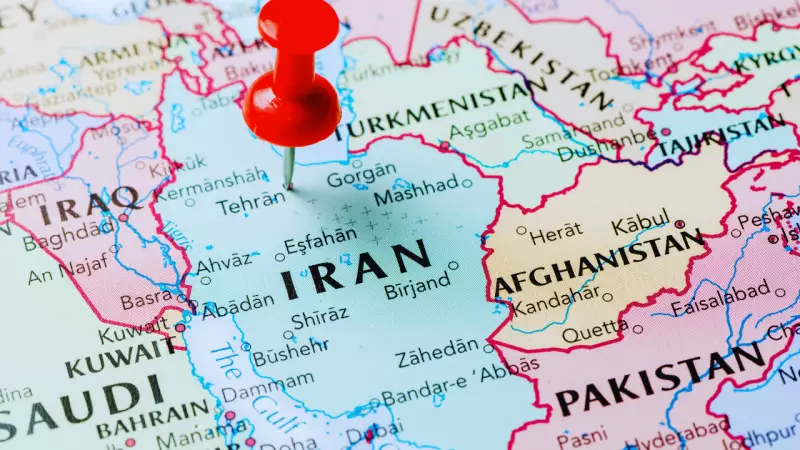
The Indian government has formally advised its citizens to reconsider and avoid non-essential travel to the Islamic Republic of Iran for the time being. This advisory comes in response to the escalating unrest across several Iranian provinces, driven by deep-seated economic and political grievances.
MEA's Safety Guidelines for Indian Nationals
In an official statement, the Ministry of External Affairs (MEA) flagged significant safety concerns for travellers. The ministry has urged Indian nationals to avoid all non-essential travel to Iran "until further notice" based on the recent volatile developments.
For Indians and Persons of Indian Origin (PIOs) already present in Iran, the advisory outlines strict precautionary steps. They have been instructed to stay extremely alert, minimise their movement, and strictly avoid areas where protests or demonstrations are occurring.

The MEA emphasised the critical importance of following official updates from the Indian Embassy in Tehran through its website and social media channels, alongside credible news sources. Furthermore, all Indian nationals and PIOs living in Iran on resident visas have been strongly urged to register with the embassy if they haven't already. This registration is vital as it allows the diplomatic mission to maintain contact and provide assistance swiftly if the security situation deteriorates.
Roots of the Unrest: Economic Crisis Fuels Protests
The current wave of protests first erupted in Tehran's historic bazaar on December 28. The primary catalyst is widespread public anger over Iran's prolonged economic crisis, which has seen conditions worsen in recent days, leading to increased violence.
International sanctions have severely exacerbated Iran's economic woes. A key indicator is the national currency, the Rial, which has lost more than a third of its value over the past year. This steep devaluation has triggered rampant inflation, making basic goods unaffordable for many. Although the government has tried to ease pressure with small monthly cash stipends, public discontent remains high.
Official Response and Mounting Human Cost
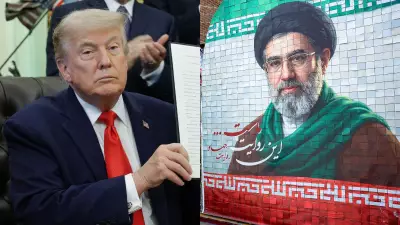
Iran's Supreme Leader, Ayatollah Ali Khamenei, addressed the situation publicly for the first time, drawing a distinction between peaceful protesters and what he termed "rioters." He stated, "We talk to protesters... But there is no benefit to talking to rioters. Rioters must be put in their place."
While Iranian officials have acknowledged economic problems, they have also warned that instability could make matters worse. The human cost of the clashes is becoming clear. Since December 30, at least 12 people, including members of the security forces, have been killed in sporadic violence, underscoring the dangerous volatility on the ground.
Global Reactions and Tehran's Firm Pushback
The protests have drawn comments from international leaders, which Iran has uniformly dismissed as interference in its internal affairs. US President Donald Trump warned, "If they start killing people like they have in the past, I think they're going to get hit very hard by the United States."
Israeli Prime Minister Benjamin Netanyahu expressed support for the demands of the Iranian people, a statement that was promptly condemned by Tehran. The Iranian Foreign Ministry accused Israel of trying to create division, with the Prosecutor General warning that any external influence would be met with a decisive response.
For now, the Indian government's core advice to its citizens in Iran remains clear: avoid protest sites, stay vigilant, monitor updates closely, and ensure registration with the embassy in Tehran is complete to facilitate communication and support.