The Indian government has issued a crucial travel advisory for its citizens concerning Iran, where widespread demonstrations have led to casualties and heightened tensions. The Ministry of External Affairs (MEA) has strongly recommended avoiding all non-essential travel to the Islamic Republic until further notice.
MEA's Safety Guidelines for Indian Citizens
In an official statement released on Monday, January 5, the MEA cited recent developments as the reason for its caution. The advisory explicitly asks Indian nationals to postpone any plans for travel to Iran that are not absolutely necessary. For those already present in the country, the ministry has issued specific safety instructions.
Indian citizens and Persons of Indian Origin (PIOs) currently in Iran are advised to exercise extreme caution. They should strictly avoid all areas where protests or demonstrations are occurring. The MEA also emphasized the importance of staying informed by monitoring local news and official updates from the Embassy of India in Tehran through its website and social media channels.

A key part of the advisory urges Indian nationals living in Iran on resident visas to register with the Indian Embassy if they have not done so already. This step is considered vital for the embassy to provide timely assistance and communication during the unstable situation.
Unrest in Iran: Protests, Clashes, and Economic Strain
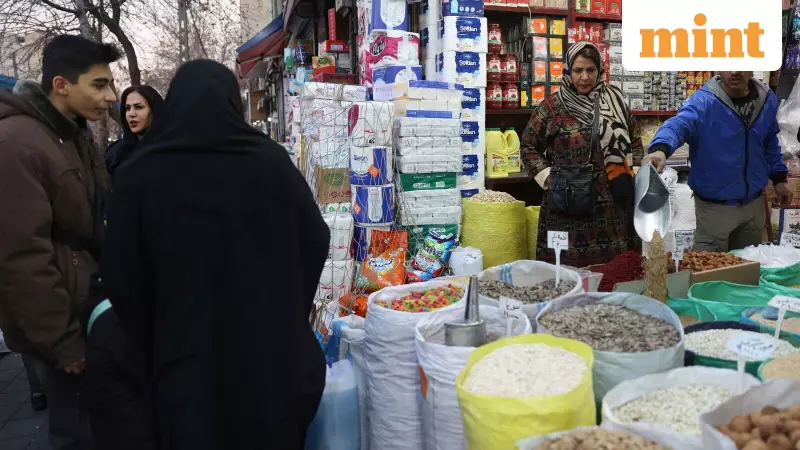
The protests, which began in Tehran on December 28, have now spread across the nation. What started as strikes by shopkeepers against rising prices and economic stagnation has evolved into larger demonstrations encompassing both economic and political grievances. Reports indicate that protests have occurred in at least 45 cities across 23 of Iran's 31 provinces, with significant activity in western regions.
The situation has turned violent in some areas. Since December 30, localized clashes have resulted in the deaths of at least 12 people, including members of Iran's security forces, according to official statements.
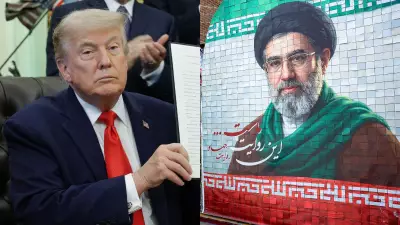
Iran's Supreme Leader, Ayatollah Ali Khamenei, made his first public remarks on the situation on Saturday. While acknowledging economic challenges, he drew a firm line between protesters and rioters. "We talk to protesters, the officials must talk to them. But there is no benefit to talking to rioters. Rioters must be put in their place," he stated, warning that authorities would not allow the unrest to escalate into widespread chaos.
The protests are unfolding against a backdrop of severe economic pressure. Iran's economy is struggling under strict international sanctions, with the Rial losing over a third of its value against the US dollar in the past year. Double-digit inflation is further straining households. In response, the government has announced a monthly allowance for citizens, though it amounts to only about 3.5% of the average monthly wage.
International Reactions and Accusations
The protests have drawn sharp reactions from international leaders, particularly the United States and Israel, which has prompted stern warnings from Tehran against foreign interference.
US President Donald Trump, speaking to reporters aboard Air Force One on Sunday, issued a direct warning. "If they start killing people like they have in the past, I think they're going to get hit very hard by the United States," he said, adding that Washington was watching the situation "very closely."
Israeli Prime Minister Benjamin Netanyahu expressed solidarity with the Iranian people. He stated that Israel "stands in solidarity with the struggle of the Iranian people and with their aspirations for freedom," signaling clear political support for the demonstrators.
Iranian officials have been quick to dismiss these comments as attempts to destabilize the country. Foreign Ministry spokesman Esmail Baqaei told AFP that "Israel is trying to exploit the slightest opportunity to sow division and undermine our national unity." Prosecutor General Mohammad Movahedi-Azad also warned that authorities would respond firmly to any "externally designed scenarios" aimed at leveraging the protests.

The Indian advisory remains in place as the situation continues to develop, underscoring the risks for foreign nationals in a country experiencing significant internal turmoil and geopolitical attention.