Pune Airport Runway Blocked by IAF Fighter Jet Snag, Nagpur Flights Cancelled
A technical snag in an Indian Air Force fighter aircraft severely disrupted flight operations at Pune International Airport late Friday night, leading to multiple cancellations, including two flights to Nagpur on Saturday. The incident has caused significant inconvenience to passengers and highlighted operational challenges at the airport.
Technical Fault Halts Runway Operations
According to officials, the disruption began around 10:25 PM on Friday when an Indian Air Force fighter jet experienced a technical problem with its landing gear during touchdown. The aircraft came to a complete stop in the middle of the runway, rendering it unusable for all other flight activities. With the runway completely blocked, authorities had no choice but to suspend all take-offs and landings immediately.
Efforts to remove the stranded aircraft were launched on a war footing overnight, involving emergency teams working tirelessly to clear the obstruction. However, the disruption spilled over into Saturday morning, affecting scheduled civilian flights as the runway remained out of service for an extended period.

Flight Cancellations and Passenger Inconvenience
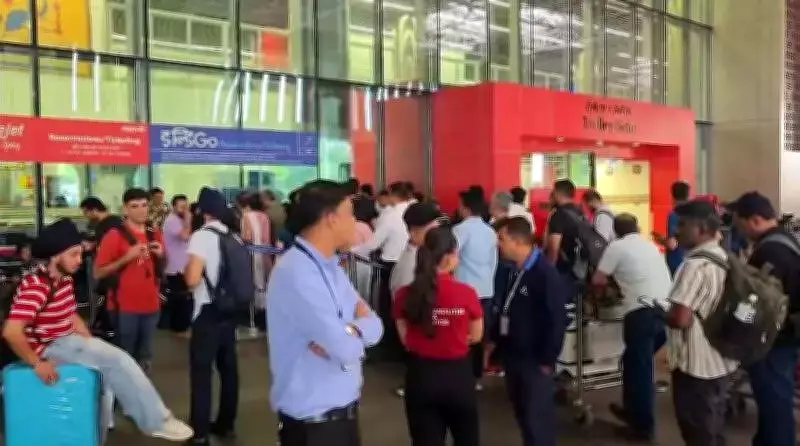
Among the most affected services were two IndiGo flights operating between Pune and Nagpur — specifically, flights 6E 2447 and 6E 6798. Both of these flights were cancelled due to the sudden operational constraints caused by the blocked runway. Passengers faced considerable inconvenience as airport operations went haywire, with many left stranded or forced to make alternate travel arrangements at short notice.
Airport authorities have stated that efforts are underway to restore normalcy at the earliest possible time. In the meantime, passengers have been advised to stay in touch with their respective airlines for real-time updates on flight schedules and any potential rescheduling or compensation measures.
Broader Implications and Response
This incident underscores the vulnerability of airport operations to unexpected technical failures, especially when involving military aircraft sharing civilian infrastructure. The quick response by authorities to address the situation is commendable, but the event has raised questions about contingency planning and communication protocols during such emergencies.
As operations gradually resume, travelers are urged to monitor official channels for further developments. The disruption serves as a reminder of the interconnected nature of air travel and the importance of robust safety and operational standards to minimize such occurrences in the future.