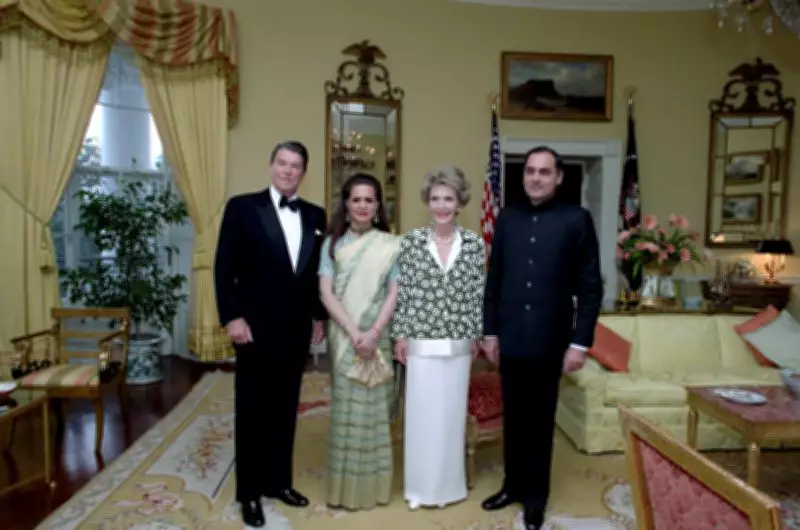
Former Indian Prime Minister Rajiv Gandhi’s 1985 visit to the United States remains a landmark moment in diplomatic history. His ability to charm the American media was unprecedented, leaving a lasting impression on journalists and policymakers alike. This article revisits the key moments of that tour and analyzes the factors behind his media appeal.
The Context of the Visit
Rajiv Gandhi became Prime Minister in 1984 after the assassination of his mother, Indira Gandhi. At 40, he was young, dynamic, and represented a break from the past. The US visit in June 1985 was his first major diplomatic outing, and he aimed to strengthen ties with the world’s superpower. The Cold War was still ongoing, and India’s non-aligned stance made its relationship with America complex.
First Impressions
Gandhi arrived in Washington D.C. with a modern vision for India. He spoke fluent English, dressed impeccably, and exuded confidence. The American press, accustomed to seeing Indian leaders as reserved or critical of the West, was taken aback by his openness. He gave interviews to major networks like ABC, CBS, and NBC, and charmed journalists with his candid answers.

One memorable moment was his interview with Time magazine, where he discussed India’s economic reforms and his admiration for American technology. He avoided the usual rhetoric of anti-imperialism, instead focusing on common ground. This pragmatic approach won him plaudits.
The Media Frenzy
The US media coined the term “Rajiv mania” to describe the frenzy around him. He was photographed jogging, wearing a suit, and even playing with his children. The New York Times described him as “a breath of fresh air” in Indian politics. His speeches to the US Congress and the United Nations were well-received, with many noting his ability to connect with American values.
Gandhi’s charm offensive also included a visit to Disney World, which was widely covered. He appeared relaxed and approachable, traits that contrasted with the stiff image of many world leaders. The media highlighted his background as a pilot and his interest in technology, portraying him as a modernizer.
Key Achievements of the Visit
- Strengthened economic ties: Gandhi secured agreements on technology transfer and trade.
- Cultural exchange: He promoted Indian culture, including yoga and cuisine.
- Diplomatic breakthroughs: He discussed regional security issues like Afghanistan and Pakistan.
Why It Mattered
The visit set a template for future India-US relations. It showed that India could engage with the US on its own terms without compromising its sovereignty. Gandhi’s media savvy also raised India’s profile in America, leading to increased tourism and business interest.
However, the charm did not translate into immediate policy changes. The US remained wary of India’s ties with the Soviet Union. Yet, the personal rapport Gandhi built with President Ronald Reagan and the media laid the groundwork for later cooperation.
Legacy
Rajiv Gandhi’s 1985 US tour is remembered as a masterclass in public diplomacy. His ability to navigate the media landscape inspired future Indian leaders to engage more proactively with the West. Today, as India and the US are strategic partners, it is worth recalling how one man’s charm helped bridge a gap.
In conclusion, Rajiv Gandhi’s charisma, combined with his vision for a modern India, allowed him to charm the US media. His visit remains a shining example of how personality and communication can shape international relations.