In an unconventional diplomatic breakthrough, a personal conversation about weight loss between a senior American envoy and Belarus's authoritarian leader helped secure the freedom of more than 250 political prisoners, including a Nobel Peace Prize winner. This unusual backchannel negotiation, which blended personal rapport with high-stakes politics, unfolded during the early days of Donald Trump's return to office.
The Unlikely Icebreaker: A Dinner Chat About Shedding Kilos
The pivotal moment occurred during a dinner meeting between John P. Coale, a US envoy with close ties to President Donald Trump, and Belarus's long-serving strongman Alexander Lukashenko. According to reports, the formal discussions on sanctions and prisoner lists took a personal turn when Lukashenko noticed Coale's slimmer appearance and inquired if he had lost weight.
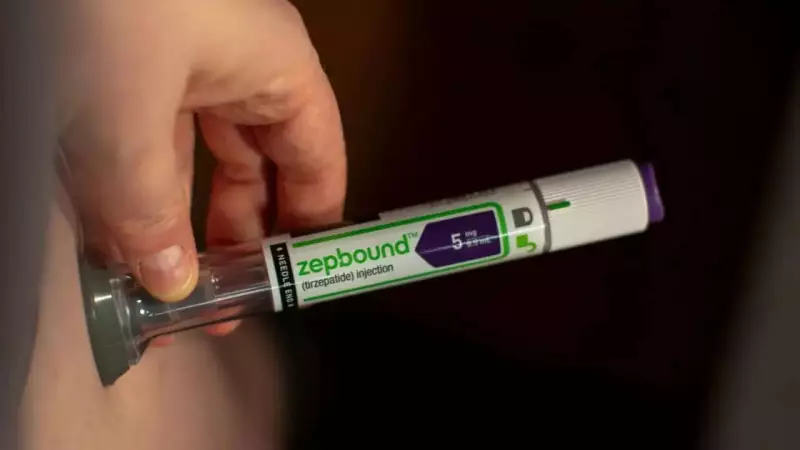
Coale confirmed he had, attributing his weight loss to the prescription drug Zepbound, manufactured by pharmaceutical giant Eli Lilly. The US diplomat even shared a brochure about the medication with the Belarusian leader. This seemingly trivial exchange served as a crucial icebreaker, softening the atmosphere for tougher negotiations.

From Sanctions to Software: The Terms of the Deal
At the time, Belarus was actively seeking relief from crippling US economic sanctions. Lukashenko's government wanted restrictions eased on key industries, particularly potash exports, which are vital to the global fertilizer market and Belarus's economy. They also requested assistance in repairing the presidential aircraft and obtaining software updates and spare parts from Boeing for the state airline, Belavia.
In return, Lukashenko signaled a willingness to release political detainees—a tactic his regime has historically used during diplomatic thaws. Coale later described this pragmatic, outcome-focused approach as distinctly Trumpian in style.
Tangible Results: Prison Doors Swing Open
The negotiations yielded immediate and significant results. In one major move, the Lukashenko government released 123 prisoners in a single tranche. This group included prominent figures like Nobel Peace Prize laureate Ales Bialiatski and opposition leader Maria Kalesnikava.
Overall, since Trump's return to the White House, Belarus has freed over 250 detainees from more than ten countries. Among those released were at least five American citizens. For families who had campaigned for years, the method of securing their loved ones' freedom was less important than the outcome itself.
Concurrently, Washington delivered on its end of the bargain. The US lifted sanctions on the potash industry, approved the necessary Boeing software and parts for Belavia, and signaled support for repairing Lukashenko's jet. In a telling detail that highlights the personal nature of these talks, US officials even discussed the possibility of arranging access to the Zepbound drug for the Belarusian leader himself.
A Broader Lesson in Personal Diplomacy
This episode underscores a broader truth in international relations: rapport, personality, and unexpected human connections can be as influential as formal policy papers. While no one suggests a weight-loss drug directly purchased anyone's freedom, the shared moment of personal conversation helped build a sliver of trust and soften the ground for a consequential agreement.
It serves as a reminder that global politics often turns on human moments. Sometimes, the path to freedom for hundreds can begin in the most unlikely of places—over a dinner table, with a simple observation and an honest answer about personal health.