Bangladesh's Dual Diplomacy: Extradition Demand and Economic Cooperation with India
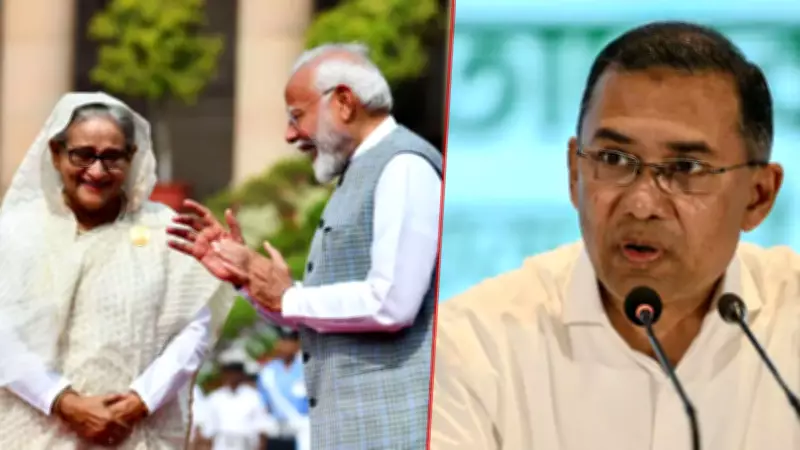
India-Bangladesh relations are navigating a delicate new chapter as Dhaka has formally requested the extradition of former Prime Minister Sheikh Hasina while simultaneously pursuing enhanced cooperation in energy and connectivity sectors. This dual approach was prominently highlighted during the recent visit of Bangladesh Foreign Minister Khalilur Rahman to New Delhi, underscoring a complex diplomatic strategy that intertwines sensitive political demands with pragmatic economic engagement.
The Core of the Extradition Request
For Bangladesh's new leadership under Tarique Rahman, the pursuit of Sheikh Hasina's extradition represents a critical test of domestic political credibility. The formal request places India in a challenging position, requiring careful consideration of legal frameworks, political implications, and broader regional strategic interests. This move comes at a time when Bangladesh is undergoing significant political transitions, making the extradition issue particularly sensitive for both nations.
India's Calibrated Response and Diplomatic Balancing
India has responded with measured diplomacy, offering visa relaxations for Bangladeshi citizens and signaling openness to boosting energy supplies across the border. This calibrated approach reflects New Delhi's attempt to maintain positive bilateral relations while navigating the legal and political complexities of the extradition request. The Indian government recognizes Bangladesh as a key regional partner and appears determined to prevent this issue from disrupting broader cooperation.

Even as political tensions simmer, both countries are actively expanding their economic partnership. Discussions have focused on:
- Enhanced energy cooperation and potential supply agreements
- Improved connectivity infrastructure between the two nations
- Visa policy relaxations to facilitate people-to-people exchanges
- Broader economic collaboration beyond the political impasse
Strategic Implications for South Asia
This moment in India-Bangladesh relations reflects the complex interplay of pressure and pragmatism shaping South Asia's evolving geopolitical landscape. Both nations face the challenge of balancing immediate political demands with long-term strategic interests. For Bangladesh, engagement with India remains essential for economic stability and regional integration, while for India, maintaining positive relations with its eastern neighbor is crucial for regional security and connectivity initiatives.
The ongoing dialogue between New Delhi and Dhaka demonstrates how neighboring countries can pursue multiple diplomatic tracks simultaneously, addressing contentious political issues while strengthening economic ties that benefit both populations.As discussions continue, observers note that the outcome of this diplomatic balancing act could set important precedents for how South Asian nations manage political transitions while maintaining functional regional partnerships. The Hasina extradition request has become a litmus test for the resilience of India-Bangladesh relations, with both sides carefully weighing their next moves in this high-stakes diplomatic engagement.