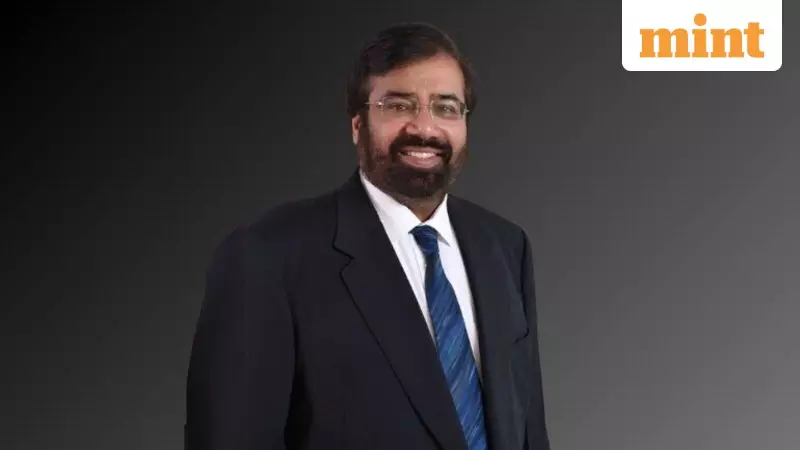
Prominent Indian industrialist Harsh Goenka has ignited a fresh and vigorous public discussion on national security and defence priorities. The chairman of the RPG Group took to social media platform X (formerly Twitter) to share his views on how India should navigate a world dominated by major powers, prompting a flood of reactions from users across the spectrum.
The Tweet That Started The Conversation
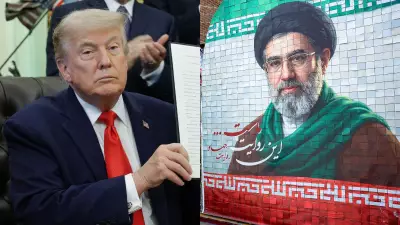
In his post, which quickly gained significant traction online, Goenka pointed to the dynamics between global giants. He wrote: “America and Russia show how the world really works. India must build overwhelming military strength to protect its borders, its people, and its destiny. This must be done not to threaten the world, but to ensure that no one dares to threaten us.” While he did not mention any specific international incident, many observers connected his remarks to recent geopolitical tensions, such as those in Venezuela, where US and Russian influence has been a focal point.
Such global standoffs, where superpowers test the limits of their reach, often act as a catalyst for strategic reviews in nations like India, prompting introspection on defence readiness and future threats.

A Spectrum of Public Reactions
The post attracted a diverse set of opinions, highlighting the multifaceted nature of India's security challenges. Users engaged in a robust debate under Goenka's tweet, offering perspectives that ranged from internal threats to technological gaps.
One user, Santosh Kumar, emphasized internal challenges, commenting, “India’s main fight is with proxies, communalism, and other anti-national forces.” He cautioned against viewing defence purely through the lens of conventional warfare, adding that the rise as a defence manufacturing hub is just beginning and that conflicts are sometimes driven by the arms trade.
Another perspective, from an account named Investing Journey with Yogesh, stressed the technological imperative. The user stated, “no other alternative before India. From the Venezuela operation, it is apparent that countries like the US are generations ahead in terms of tech. India needs to go big on building its strength not just through numbers but also through tech.”
Echoing the technology-first viewpoint, user Hrishikesh T commented, “True that. Way more tech first though. Modern warfare is more about rocket science and advanced weapons rather than sheer military size and number of guns. Venezuela had all that. Only thing they lacked was advanced weapons.”
The Underlying Consensus: Credible Deterrence
Despite the varied responses, a common thread emerged from the discussion: the necessity for India to develop a credible and formidable military deterrent. The consensus leaned towards building strength that prevents conflict by making threats unthinkable, rather than pursuing aggression.
This public conversation aligns with the broader principles of India's long-standing defence strategy, which is grounded in the concept of strategic autonomy. This doctrine focuses on safeguarding national sovereignty and avoiding entanglements in the rivalries of other major powers. As New Delhi continues to meticulously balance its relationships with global capitals like Moscow and Washington, voices from industry leaders like Goenka contribute significantly to the ongoing national dialogue. They underscore the critical question of the role military capacity and technological superiority will play in securing India's future on the world stage.