France Extends Formal Invitation to India for 2026 G7 Summit
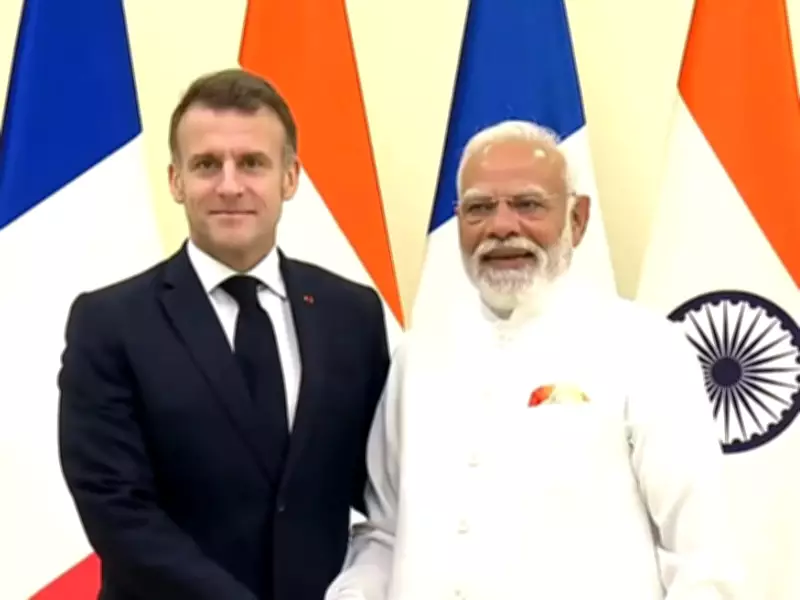
In a significant diplomatic move, French President Emmanuel Macron has officially invited Prime Minister Narendra Modi to participate in the upcoming G7 Summit, which France will host in 2026. This invitation marks a pivotal moment in the evolving strategic partnership between the two nations, emphasizing India's growing global influence.
Active Participation in Global Discussions
According to a detailed joint statement released by both governments, President Macron specifically requested India to engage actively in the discussions and preparatory work leading up to the Summit. The focus will be on critical global issues, primarily tackling worldwide macroeconomic imbalances and defining a new paradigm for international partnerships and solidarity. This move underscores France's recognition of India's role as a key player in shaping global economic and political frameworks.
Strengthening the Rules-Based Order
The two leaders strongly reaffirmed their shared commitment to a rules-based order, not only in the Indo-Pacific region but extending globally. The joint statement highlighted that elevating this relationship will enhance cooperation in future-oriented sectors, thereby reinforcing both countries' sovereignty and decision-making autonomy. It emphasized that this partnership aims to address major global challenges collectively, including through enhanced cooperation between India and the European Union.

Call for Reformed Multilateralism and UNSC Reform
Both leaders reiterated their call for a reformed and effective multilateral system to sustain an equitable and peaceful international order. They stressed the urgent need to address pressing global challenges and prepare for emerging developments in technological and economic domains. Notably, France reiterated its steadfast support for India's bid to become a permanent member of the United Nations Security Council, emphasizing the critical importance of reforming the UNSC to reflect contemporary global realities.
Concern Over the War in Ukraine
The joint statement expressed deep concern over the ongoing war in Ukraine, noting that it continues to cause immense human suffering and negative global consequences. Both leaders stressed the importance of an immediate cessation of hostilities and voiced support for a comprehensive, just, and lasting peace in Ukraine. They advocated for resolution through dialogue and diplomacy, in strict accordance with the principles of the UN Charter and international law, including respect for independence, sovereignty, and territorial integrity.
Advancing Defence and Technological Collaboration
In a major step towards deepening strategic ties, the two leaders agreed to intensify joint efforts in defence and technology. This includes:
- Co-research, co-design, co-development, and co-production of advanced defence platforms in air, naval, and land systems.
- Collaboration on emerging dual-use technologies, aligned with the ambitious Defence Industrial Roadmap established in 2024.
Building on existing trust in high-technology collaboration, they agreed to form a Joint Advanced Technology Development Group. This group will explore opportunities to co-develop emerging and critical technologies in identified niche areas, aiming to retain a competitive military edge and mitigate vulnerabilities in global supply chains.
This comprehensive partnership between France and India signals a robust alignment on global governance, security, and technological innovation, setting the stage for enhanced cooperation in the years leading up to the 2026 G7 Summit.