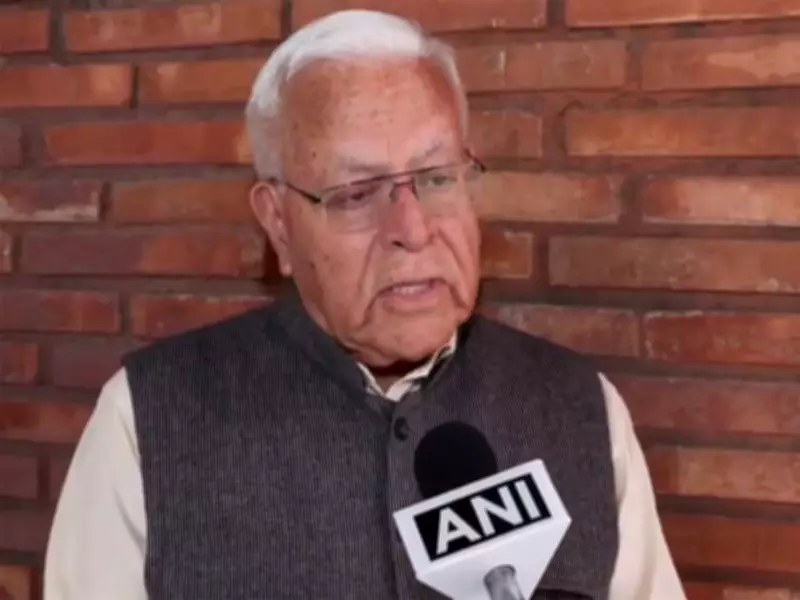
Former Diplomat Ashok Sajjanhar Explores US-Iran Ceasefire Dynamics
In a recent analysis, former diplomat Ashok Sajjanhar delved into the intricacies of the US-Iran ceasefire, shedding light on the common phenomenon where all involved parties assert victory in such tentative agreements. This observation underscores the complex nature of diplomatic negotiations in the volatile Middle East region.
The Nature of Tentative Agreements in Diplomacy
Sajjanhar emphasized that when a ceasefire or similar pact is reached, it often represents a fragile balance of interests. He pointed out that in these scenarios, each side—whether the United States, Iran, or other stakeholders—tends to publicly claim success to appease domestic audiences and maintain strategic positioning. This behavior, he noted, is a hallmark of high-stakes international diplomacy where perceptions can be as crucial as the actual terms of the agreement.
Implications for US-Iran Relations
The former diplomat highlighted that the US-Iran ceasefire, while a step toward de-escalation, reflects ongoing tensions and mistrust between the two nations. Sajjanhar explained that such agreements are often temporary and subject to reinterpretation, with each party leveraging the narrative to bolster their geopolitical standing. He stressed that understanding these dynamics is key to assessing the long-term stability of the region.

Broader Context of Middle East Diplomacy
Expanding on his analysis, Sajjanhar connected the US-Iran situation to broader patterns in Middle East conflicts. He argued that ceasefire claims serve multiple purposes:
- Domestic Legitimacy: Governments use them to demonstrate strength and effectiveness to their citizens.
- International Leverage: They help shape global perceptions and alliances.
- Strategic Ambiguity: They allow for flexibility in future negotiations or actions.
This multifaceted approach, according to Sajjanhar, complicates efforts to achieve lasting peace but is an inherent part of the diplomatic landscape.
Expert Insights and Future Outlook
Drawing from his extensive experience, Sajjanhar offered insights into the potential trajectories for US-Iran relations. He cautioned that while ceasefires can reduce immediate hostilities, they often mask underlying issues that require sustained dialogue and compromise. The former diplomat called for a nuanced understanding of such agreements, urging policymakers and observers to look beyond public claims and focus on substantive progress.
In conclusion, Ashok Sajjanhar's analysis provides a valuable perspective on the US-Iran ceasefire, emphasizing how victory claims by all parties are a strategic element in international diplomacy. His remarks highlight the challenges and opportunities in navigating complex geopolitical environments, offering lessons for future conflict resolution efforts in the Middle East and beyond.