In today's interconnected global landscape, international travel has evolved from an occasional luxury to a fundamental aspect of daily life for countless Indians. Whether for leisure, professional commitments, educational pursuits, medical treatments, or family reunions, crossing borders has become increasingly routine. Recognizing this shift, the Indian government has embarked on a transformative journey by introducing the electronic passport, widely referred to as an ePassport. This innovative initiative marks a significant leap forward in modernizing travel documentation while offering tangible benefits in security, convenience, and global interoperability.
Understanding the ePassport: A Digital Evolution
An ePassport represents a sophisticated upgrade from traditional passports, integrating advanced technology to store holder details securely. Unlike conventional passports where information is merely printed or stamped on the first page, an ePassport embeds a microchip within its cover. This chip contains encrypted data, including biometric identifiers such as fingerprints and a digital photograph, all protected by high-level security features that adhere to international standards set by the International Civil Aviation Organization (ICAO).
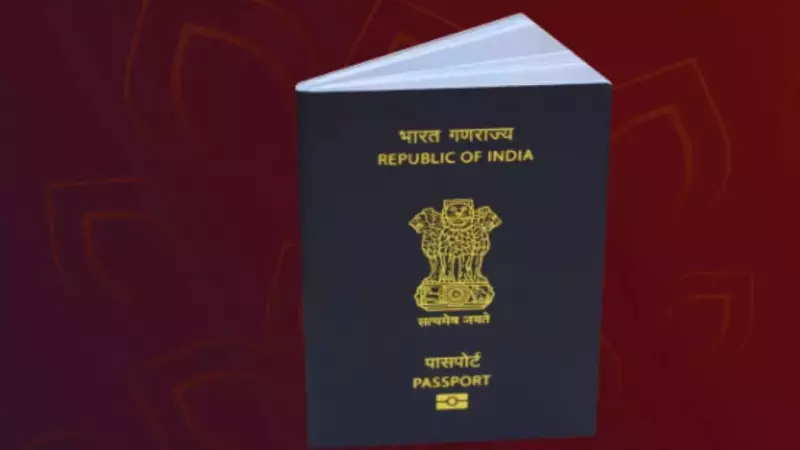
Externally, an ePassport closely resembles its traditional counterpart, with the only visible distinction being a small gold-coloured symbol on the cover that indicates the presence of the embedded chip. India officially launched the phased issuance of ePassports in April 2024 under the enhanced Passport Seva Programme (PSP 2.0), joining over 120 countries like the United States, Canada, France, Japan, and Australia in adopting this cutting-edge technology.

Why Indians Are Embracing ePassports
Although the transition to ePassports is not mandatory, and existing traditional passports remain valid until their expiration dates, a growing number of applicants are proactively opting for these digital documents. This preference stems from three key advantages that ePassports offer over conventional ones.
Enhanced Security and Fraud Prevention
One of the most compelling reasons for choosing an ePassport is its superior security framework. Traditional passports rely on physical features and printed information that can be vulnerable to tampering or forgery. In contrast, ePassports utilize an embedded chip safeguarded by robust encryption and authentication protocols, including Basic Access Control (BAC), Passive Authentication (PA), and Extended Access Control (EAC). These measures ensure data integrity, verify its origin, and prevent unauthorized access, making identity theft, counterfeiting, and fraud virtually impossible.
Faster Immigration Clearance and Travel Convenience
Another significant benefit driving widespread adoption is the expedited immigration process at international airports. The personal information stored in an ePassport's microchip can be electronically scanned and processed, reducing wait times considerably. While not all countries or airports have fully implemented this technology yet, those that have report substantial decreases in passenger queues. Travellers using ePassport terminals experience near-instantaneous verification through touch-scan technology, eliminating the need for lengthy document stamping and manual checks.
Global Compatibility and Recognition
ePassports are designed to comply with ICAO standards, ensuring they are recognized and processed in nearly every country worldwide. This global interoperability offers several advantages:

- Smooth Cross-Border Verification: Immigration authorities in compliant nations can efficiently verify digital data, minimizing uncertainties and delays.
- Streamlined Travel Experience: Many airports are already equipped with automated systems that read electronic chips, allowing ePassport holders to utilize these facilities where available.
- Future-Ready Documentation: As biometric verification and digital border controls become more prevalent, ePassports position Indian travellers to adapt seamlessly to evolving international travel infrastructure.
Implications for Indian Travellers
While traditional passports remain valid until expiry, applying for an ePassport during new issuances or renewals is increasingly advisable. This choice enhances personal identity security, improves travel convenience by saving time at busy airports, and ensures alignment with future global travel systems. For frequent flyers, international students, professionals on overseas assignments, and families planning regular foreign trips, these benefits collectively create a safer, smoother, and more efficient passport experience.