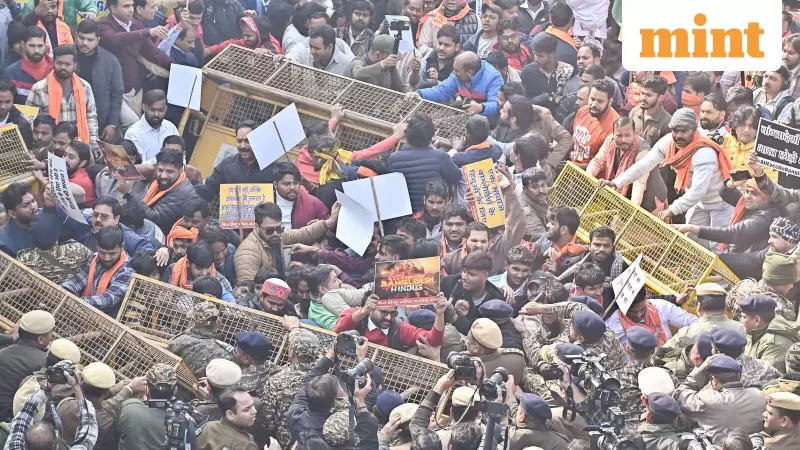
The diplomatic relationship between India and Bangladesh has encountered a fresh point of tension following a recent incident involving the Hindu minority community. The Bangladesh foreign ministry has formally responded to concerns raised by India regarding the safety of Hindu minorities in the wake of the lynching of a man named Dipu Chandra Das.
Dhaka's Firm Rejection of India's Stance
According to a report by The Dhaka Tribune, the ministry issued a statement that directly sidestepped and countered the concerns voiced by India. The ministry's response was unequivocal, alleging that "portraying the incident as a minority-related issue was not only inaccurate but also misleading." This statement marks a clear diplomatic pushback from Dhaka against framing the violent event within a narrative of communal persecution.
Isolated Crime or Systematic Persecution?
In its detailed rebuttal, the Bangladesh foreign ministry described the attempts to link the lynching to wider minority issues as a "systematic attempt to portray isolated criminal incidents as organised persecution of Hindus." This characterization seeks to redefine the incident, moving it from the realm of communal or religious targeting to that of individual criminality. The ministry's stance aims to separate this tragic event from broader discussions about the treatment of Hindu minorities within the country, a topic of significant and sensitive interest in neighbouring India.

Ongoing Developments and Regional Implications
As noted in the original report, this is a developing story, and further updates are anticipated. The exchange highlights the delicate nature of India-Bangladesh relations, where issues of minority rights and security often resonate deeply. India has historically expressed concern for the welfare of Hindu communities in Bangladesh, making this official dismissal a notable moment in bilateral dialogue. The incident involving Dipu Chandra Das and the subsequent diplomatic words underscore the challenges in navigating domestic incidents with international and cross-border ramifications.
The response from Dhaka places a firm emphasis on national sovereignty and its own interpretation of internal events. It signals a reluctance to allow external framing of its domestic law and order situations. How this stance influences ongoing diplomatic ties and future discourse on minority protection remains to be seen as the situation continues to evolve.