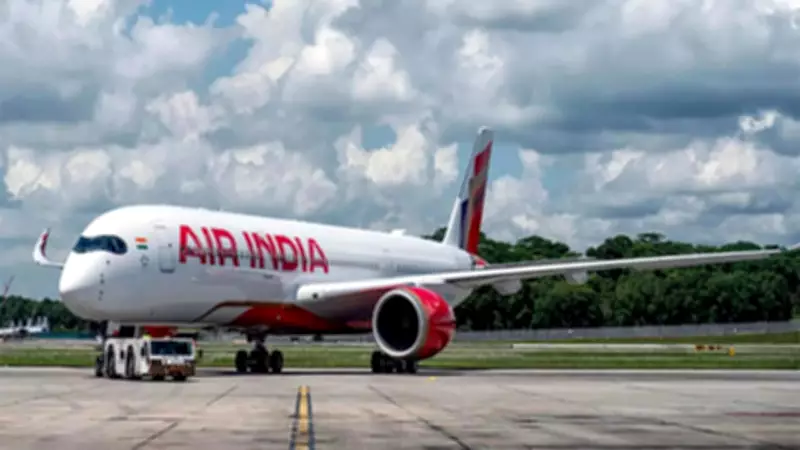
DGCA Approves Temporary Flight Duty Norms Relaxation for Air India
India's aviation safety regulator, the Directorate General of Civil Aviation (DGCA), has granted temporary relaxations in flight duty norms for Air India's long-haul operations. This decision comes as the national carrier is forced to take longer routes due to airspace restrictions in the Middle East amid the ongoing Iran conflict, according to sources cited by news agency PTI on Sunday.
Extended Flight Routes Due to Regional Conflict
With Iranian and Iraqi airspace restrictions currently in place, Air India is routing many of its European and North American flights via Egypt. This detour results in significantly longer flying hours and extended duty periods for pilots. The escalating US-Israel-Iran conflict, which began on February 28, has led to substantial airspace curbs across parts of the Middle East, disrupting airline operations globally.
Air India is now flying to Europe and North America via Oman, the southern part of Saudi Arabia, and Egypt instead of using more direct routes through restricted airspace. For some ultra-long-haul services, the airline is also making technical stops in Rome to manage the extended flight durations.

Specific Flight Duty Time Limitations Relaxations
The DGCA has allowed certain exemptions in Flight Duty Time Limitations (FDTL) norms for these long-haul operations until April 30. According to PTI reports, the relaxations apply specifically to long-haul flights operated with two pilots.
The temporary exemptions include:
- Extension of Flight Time (FT) by 1 hour 30 minutes to 11 hours 30 minutes
- Extension of Flight Duty Period (FDP) by 1 hour 45 minutes to 11 hours 45 minutes
- Relaxation of the 30-minute roster planning buffer requirement
For a single landing under normal circumstances, the maximum FT and FDP are 10 hours and 13 hours respectively. Flight Time refers to the period from when an aircraft first moves for take-off until it comes to rest at the end of the flight, while Flight Duty Period begins when a crew member reports for duty and ends when the engines are shut down after the final flight.
Allegations of Exceeding Permitted Limits
Even as the regulator has offered temporary relief, sources told PTI that Air India may be stretching the exemption beyond the permitted limit in at least one specific case. According to a source quoted by PTI, Air India has been scheduling its Jeddah flight with an FDP of 11 hours 55 minutes, which exceeds the extended ceiling of 11 hours 45 minutes allowed under the relaxation by 10 minutes.
"While flight duty period (FDP) has been extended by 1.45 hours, Air India is forcing its pilots to operate Jeddah flight, which has an FDP of 11.55 hours, thus exceeding the allowed relaxations by 10-minutes," a source told PTI. There was no immediate comment from either Air India or the DGCA regarding these specific allegations or the temporary relaxations in general.
Wider Disruption to Indian Aviation Operations
The temporary duty norm relaxation comes against the backdrop of broader disruption to Indian carriers operating in the Middle East region. Air India cancelled several flights on Sunday to the United Arab Emirates, including services to Dubai, Ras Al Khaimah, Sharjah, and Abu Dhabi.
This cancellation followed instructions from airport authorities in the UAE directing airlines to reduce operations amid the evolving West Asia crisis. In a statement on social media platform X, Air India confirmed: "In view of the latest instructions from Airport authorities in the UAE, Air India and Air India Express are compelled to curtail their ad-hoc operations for 15 March 2026."
On that day, Air India operated only one Delhi-Dubai return flight, while four of five planned Dubai flights were cancelled. Air India Express also operated just one Delhi-Dubai return service, with five of six scheduled Dubai flights cancelled, while all five Abu Dhabi flights by the budget carrier were cancelled. Passengers affected by these cancellations were offered free rebooking or full refunds as compensation.

Broader Impact on Aviation Sector
The wider aviation sector continues to face significant pressure as the West Asia crisis disrupts established air corridors and pushes up aviation turbine fuel (ATF) costs. Other Indian carriers are also experiencing operational challenges, with IndiGo warning of further restrictions in Dubai operations and advising passengers to check flight status before heading to airports.
It remains unclear whether IndiGo has received similar temporary exemptions for its own long-haul operations. With airlines being forced to take longer detours, cancel flights, and manage rising operational costs, the DGCA's temporary relaxation for Air India illustrates how deeply the ongoing regional conflict is affecting long-haul aviation operations and necessitating regulatory adjustments to maintain essential air connectivity.