Delhi Zoo Investigation Finds No Evidence of Jackal Killing, But Uncovers Serious Procedural Failures
An internal inquiry conducted at Delhi's National Zoological Park has concluded that there is no concrete evidence to establish that a jackal was killed within the zoo premises. However, the investigation has brought to light significant procedural lapses and irregularities in how the animal was handled after it was discovered.
Conflicting Details Emerge from Internal Records
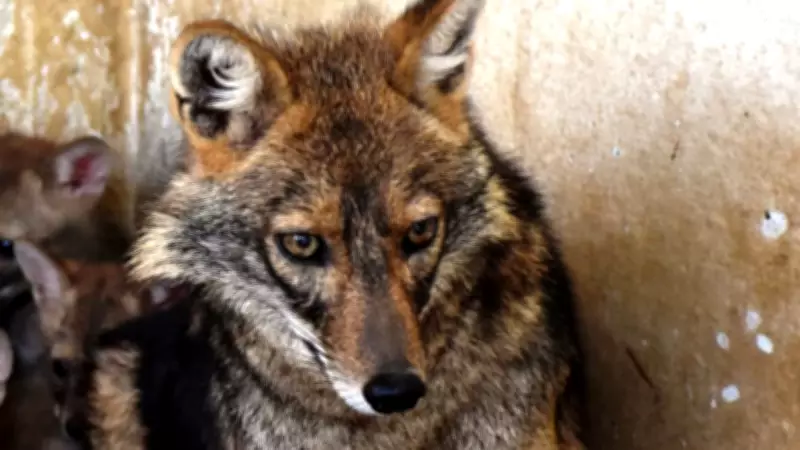
While the official inquiry states no evidence of killing was found, internal records obtained during the probe reveal troubling details. The documents indicate that the jackal was discovered inside a burrow within the Himalayan black bear enclosure, showing no movement whatsoever.
According to these records, zoo staff dragged the motionless animal from the burrow and placed it in a white sack following instructions from a beat officer. This action occurred despite the absence of clear protocols for handling free-roaming animals within the zoo compound.

Union Allegations and Ministry Intervention
The Ministry of Environment, Forest and Climate Change (MoEFCC) ordered the investigation last month after receiving a formal complaint from the National Zoo Workers Union. The union had alleged serious misconduct, claiming that one of four jackals that escaped from their enclosure in November entered the bear enclosure and hid in a burrow.
The complaint specifically alleged that chilli powder was poured into the burrow and fire was ignited to force the animal out, resulting in its death. Furthermore, the union claimed that the remains were disposed of through incineration without conducting the mandatory autopsy, potentially violating both zoo regulations and provisions of the Wildlife (Protection) Act, 1972.
Forensic Examination and Missing Evidence
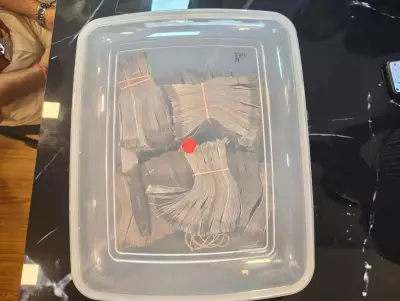
Records from the investigation show that when the jackal was recovered on December 18, there were no visible signs of burning on its body, no foul odor, and no maggot infestation. However, ashes and hair samples collected from the burrow were sent to the Wildlife Institute of India for forensic examination.
Sanjeet Kumar, Director of the National Zoological Park, confirmed to media that while no evidence of the jackal's death was found, the inquiry did uncover discrepancies in protocols and various irregularities. The investigation collected statements from multiple witnesses and gathered various samples as part of the comprehensive review process.
Administrative Actions and Technical Challenges
Following the union's complaint, the zoo administration took disciplinary action by withdrawing an official from the position of range in-charge and placing two other officials in additional charge roles, according to an official order.
The investigation faced significant technical challenges, with at least 12 days of CCTV footage from key locations—including the Himalayan black bear enclosure—being unavailable during the period of the alleged incident. A technical report submitted to the probe officer cited hard disk failures and lighting issues as the reasons for this crucial evidence gap.
Contradictory Camera Evidence and Capture Efforts
Another internal report based on available footage stated that no jackal was sighted in the bear enclosure between December 16 and 18. However, cameras did record two staff members "removing something" from the area on December 18, adding another layer of complexity to the investigation.
Zoo authorities explained that four jackals escaped through a gap at the rear of their enclosure fencing in November. In response, the zoo deployed multiple measures including trap cages, animal capture teams, and kept a tranquilization team on standby to recapture the escaped animals.
The investigation has highlighted systemic issues within the zoo's operational procedures, particularly concerning record maintenance and the absence of clearly defined protocols for handling emergency situations involving free-roaming animals. While the inquiry cleared the zoo of the specific allegation of killing the jackal, it has exposed serious gaps in wildlife management practices that require immediate attention and reform.