

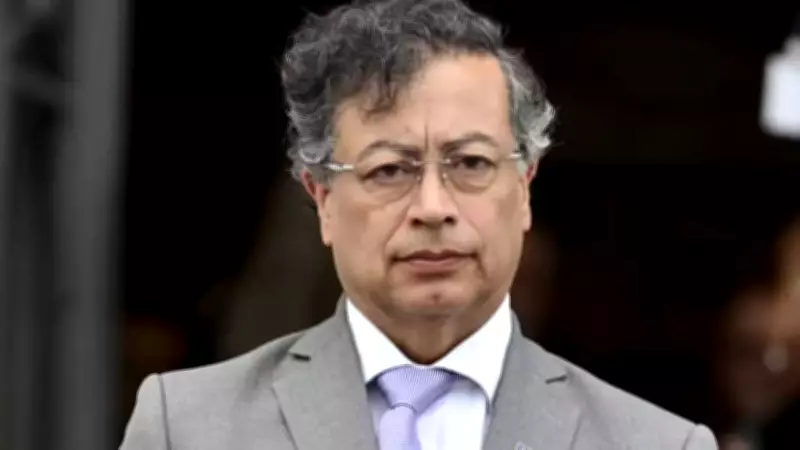
Colombian President Petro Designated 'Priority Target' by US Drug Enforcement Administration
In a significant development with major international implications, Colombian President Gustavo Petro has been officially labeled a 'priority target' by the United States Drug Enforcement Administration (DEA). This designation comes as federal prosecutors based in New York are actively examining multiple allegations regarding Petro's potential links to powerful drug trafficking organizations, according to confidential records obtained and reviewed by the Associated Press news agency.
Scope and Focus of the Ongoing Investigations
The DEA records reveal that President Petro has appeared in numerous separate investigations since the year 2022. A substantial portion of these inquiries is reportedly founded on detailed interviews conducted with confidential informants whose identities are protected. The complex web of issues currently under rigorous federal review encompasses several serious allegations.
Investigators are scrutinizing possible financial or political dealings between Petro's circle and Mexico's notorious Sinaloa drug cartel. Furthermore, there are claims that Petro's flagship domestic policy initiative, known as the 'total peace' plan, may have been strategically utilized to provide benefits and concessions to traffickers who allegedly provided financial or logistical support for his successful presidential election campaign.

Perhaps most damning are the suggestions that official law enforcement and port authority channels within Colombia were potentially compromised and used to facilitate the large-scale movement of illicit substances, including cocaine and the deadly synthetic opioid fentanyl, through major Colombian maritime ports.
Significance of the 'Priority Target' Designation
The specific 'priority target' label is a critical classification reserved by the DEA for individuals whom the agency assesses could exert a 'significant impact' on the global narcotics trade, either through direct involvement or through high-level political influence. This places President Petro among a very select group of international figures under intense US law enforcement scrutiny.
In recent months, prosecutors from both the Brooklyn and Manhattan federal districts have been aggressively questioning captured drug traffickers about their connections and communications with President Petro and his associates. A parallel line of inquiry is examining explosive allegations that representatives linked to the Colombian president may have solicited or accepted bribes with the explicit purpose of blocking the extradition of key traffickers to the United States to face justice.
A person with direct knowledge of the ongoing inquiry, who spoke on condition of anonymity, clarified that it remains unclear at this stage whether prosecutors have successfully established a direct, prosecutable link between President Petro and any specific criminal activity. A notable part of the investigation is reportedly concentrated on allegations that such bribery offers were formally made to inmates inside Colombia's infamous La Picota prison, promising protection from US extradition in exchange for substantial payments.
Historical Context and Familial Scrutiny
This latest DEA designation follows a history of accusations from prominent US figures. Former President Donald Trump previously publicly labeled Petro an "illegal drug leader." Additionally, in late 2025, the US Treasury Department imposed direct sanctions on entities linked to Petro over alleged connections to the narcotics trade. President Petro has consistently defended his administration's record, stating that his government aggressively targets major cartels while adopting a more lenient and socially conscious approach towards small-scale coca farmers to encourage crop substitution.

The legal and investigative scrutiny has also extended to members of President Petro's immediate family, adding layers of complexity to the case. His son, Nicolas Petro, was formally charged in 2023 with soliciting illegal campaign contributions from a convicted drug trafficker. Separately, his brother, Juan Fernando Petro, has been publicly linked to alleged negotiations with jailed traffickers concerning potential protection from extradition, possibly in exchange for promises of disarmament under the 'total peace' framework.
The confluence of these factors—a sitting head of state designated a priority target, ongoing federal grand jury proceedings, and familial legal troubles—paints a portrait of a deepening crisis that threatens to strain diplomatic relations between Colombia and the United States while casting a long shadow over Petro's domestic policy agenda and his international standing.





