

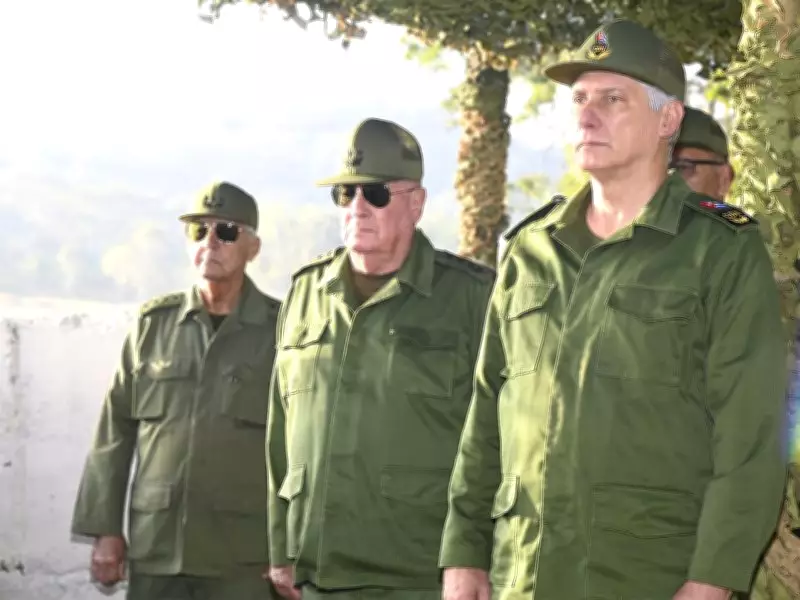
In a significant development in international relations, Cuba has issued a strong rejection of recent claims by the United States that label the Caribbean nation as a security threat. This response comes at a time of heightened diplomatic and economic pressure from Washington, underscoring the persistent tensions between the two countries.
Cuba's Firm Stance Against US Allegations
Cuban officials have categorically denied the US assertions, describing them as baseless and politically motivated. The government in Havana has emphasized its commitment to peaceful coexistence and international law, arguing that such accusations are part of a broader strategy to isolate Cuba on the global stage. This rejection is seen as a defiant move amid what many analysts describe as an increasingly hostile environment fostered by US policies.
Escalating Diplomatic and Economic Pressures
The US has been ramping up its diplomatic and economic measures against Cuba, including sanctions and travel restrictions, which have exacerbated the island nation's economic challenges. These actions are viewed by Cuba as attempts to undermine its sovereignty and destabilize its government. The recent security threat claims add another layer to this complex relationship, potentially impacting bilateral talks and regional stability.

Historical Context and Current Implications
Historically, US-Cuba relations have been marked by periods of tension and brief thaws, with the current situation reflecting a return to more adversarial postures. The rejection of security threat claims by Cuba highlights the deep-seated mistrust and ideological differences that continue to define their interactions. Experts suggest that this could lead to further diplomatic standoffs and affect cooperation on issues like migration and drug trafficking.
As the situation unfolds, the international community is closely watching how both nations navigate these challenges. Cuba's rejection serves as a reminder of its resilience in the face of external pressure, while the US stance underscores its ongoing concerns regarding security in the Western Hemisphere.






