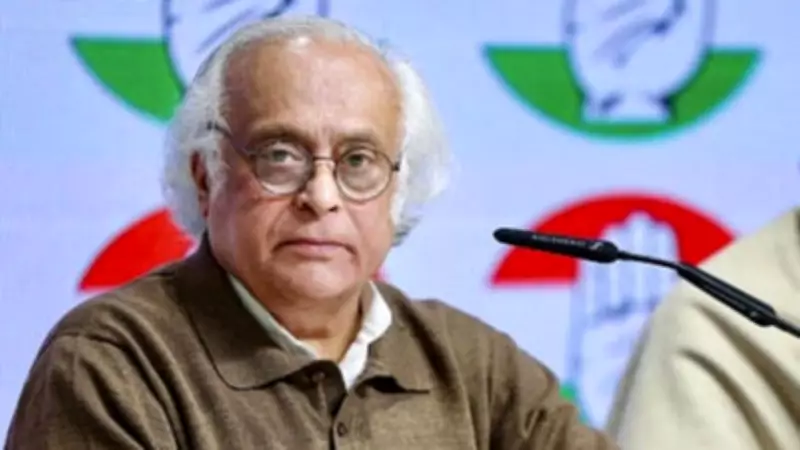
Congress Criticizes Modi Government Over Chabahar Port Issues
The Indian National Congress has launched a sharp critique against the Narendra Modi-led government, labeling recent developments concerning the Chabahar port as a significant strategic setback for India's diplomatic efforts in Central Asia. This criticism comes amid ongoing challenges that have hampered the port's operational progress, which is seen as a crucial gateway for enhancing India's trade and geopolitical influence in the region.
Strategic Importance of Chabahar Port
Located in Iran, the Chabahar port holds immense strategic value for India, serving as a key access point to landlocked Central Asian nations such as Afghanistan and beyond. It is designed to bypass Pakistan, offering an alternative route that could bolster India's economic and security interests. The port project has been a cornerstone of India's foreign policy, aimed at strengthening ties with Iran and countering Chinese influence through initiatives like the Belt and Road.
However, recent obstacles, including international sanctions and logistical delays, have slowed its implementation. Congress leaders argue that these issues reflect poor planning and execution by the current administration, undermining India's long-term strategic goals.

Congress Accusations and Government Response
In a strongly worded statement, Congress officials accused the Modi government of failing to secure the port's future, which they claim has led to a diplomatic blunder. They highlighted that this setback not only affects trade but also diminishes India's role as a regional power, potentially ceding ground to rivals like China and Pakistan.
The government, in response, has defended its efforts, citing external factors such as geopolitical tensions and compliance with international norms. Officials maintain that work on the port is ongoing, with plans to overcome current hurdles through diplomatic negotiations and enhanced cooperation with Iran.
Broader Implications for India's Foreign Policy
This controversy underscores broader concerns about India's Central Asian diplomacy. Experts note that the Chabahar port is integral to India's connectivity projects, such as the International North-South Transport Corridor, which aims to facilitate trade between India, Iran, Russia, and Europe. Any delays or failures could impact these initiatives, affecting India's economic growth and strategic autonomy.
Moreover, the situation has sparked debates on the need for more robust foreign policy strategies. Critics, including Congress, urge the government to prioritize such projects to maintain India's influence in a rapidly evolving global landscape, where competition for regional dominance is intensifying.
As the political discourse continues, the focus remains on how India will navigate these challenges to reaffirm its commitment to the Chabahar port and its broader diplomatic objectives in Central Asia.