China Asserts Diplomatic Role in US-Iran Ceasefire as Trump Credits Beijing
China stated on Wednesday that it had made "own efforts" to facilitate a ceasefire between the United States and Iran, while US President Donald Trump suggested Beijing played a key role in bringing Tehran to negotiations. The announcement came as Iran and the US agreed to a two-week pause in hostilities, shifting focus to a more durable peace arrangement.
China's Measured Stance on Ceasefire Involvement
At a regular briefing, Chinese Foreign Ministry spokesperson Mao Ning outlined Beijing's diplomatic outreach but did not directly confirm reports of its involvement in persuading Iran to accept the truce. "China has consistently advocated for a ceasefire and to resolve the conflict through political and diplomatic means, and to achieve long-term stability in the Gulf and Middle East region," she said. Mao added, "China made its own efforts in this regard," emphasizing a broader engagement rather than claiming direct credit.
Trump's Acknowledgment and Ceasefire Details
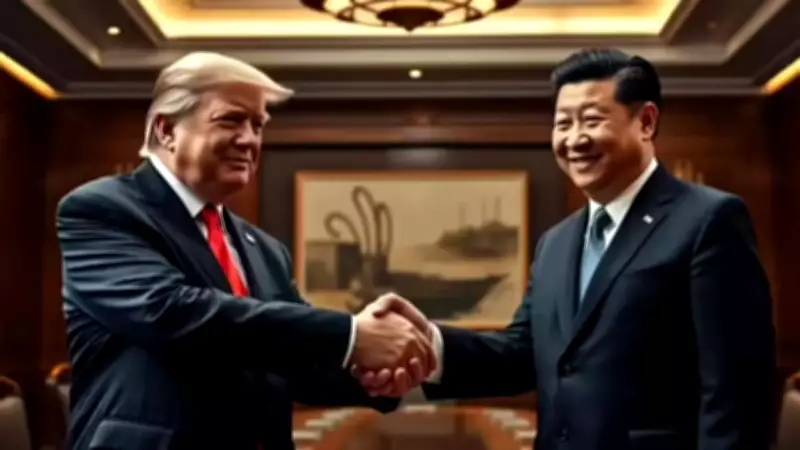
Earlier, Trump told AFP that he believed China helped bring Iran to the negotiating table. When asked about Beijing's role in securing the ceasefire ahead of his deadline that threatened strikes on Iranian infrastructure, he responded, "I hear yes. Yes they were." The ceasefire was announced just hours before Trump's self-imposed deadline, averting further escalation after weeks of missile and drone exchanges that began on February 28 following US-Israeli airstrikes that killed Iran's supreme leader Ayatollah Khamenei.

China's Diplomatic Outreach and Regional Initiatives
According to Chinese officials, Foreign Minister Wang Yi has held 26 phone conversations with key stakeholders since the conflict erupted. Beijing's special envoy has been engaged in shuttle diplomacy across the Gulf region. Last week, China and Pakistan jointly proposed a five-point peace initiative, calling for an immediate ceasefire and the protection of shipping routes through the Strait of Hormuz, a critical global energy corridor.
Iran's Call for International Support
Underscoring close ties with Beijing, Iran's envoy in China, Abdolreza Rahmani Fazli, urged major powers to sustain peace. "We hope different sides could guarantee that the US would not resume the war," he said, calling on the UN Security Council and countries such as China and Russia, along with mediators like Pakistan and Turkey, to collaborate on stabilizing the region. He noted that Iran had been coordinating closely with "friendly countries, especially China."
Impact and Future Prospects
The conflict triggered weeks of hostilities, sent global oil prices soaring, and unsettled international markets. With the immediate pause now in place, attention has shifted to whether ongoing talks can translate into a longer-term peace framework. China's diplomatic efforts, alongside international mediation, are seen as crucial in achieving stability in the volatile Middle East region.