In a sharp escalation of international tensions, China has issued a formal condemnation of the United States for its military intervention in Venezuela. The Chinese government expressed profound shock at the actions, which included airstrikes and the capture of the nation's president.
China's Strong Condemnation and Official Stance
The Ministry of Foreign Affairs for the People's Republic of China released an official statement on Saturday, 3 January 2026. In it, China declared it was "deeply shocked and strongly condemns" the United States' use of force against Venezuela, a sovereign nation. The statement specifically criticized the targeting of President Nicolas Maduro.
Beijing framed the American operation as a blatant breach of global norms. "China firmly opposes such hegemonic behaviour by the U.S., which seriously violates international law, violates Venezuela's sovereignty, and threatens peace and security in Latin America and the Caribbean," the foreign ministry asserted. The Chinese appeal urged Washington to adhere to the principles of the UN Charter and cease actions that compromise the sovereignty and security of other countries.

Details of the US Military Operation in Venezuela
The diplomatic fallout stems from a significant military action carried out by the United States on the same day. US President Donald Trump confirmed via a post on TruthSocial that America had executed large-scale airstrikes in Venezuela. The operation resulted in the capture and removal from the country of President Nicolas Maduro and his wife.
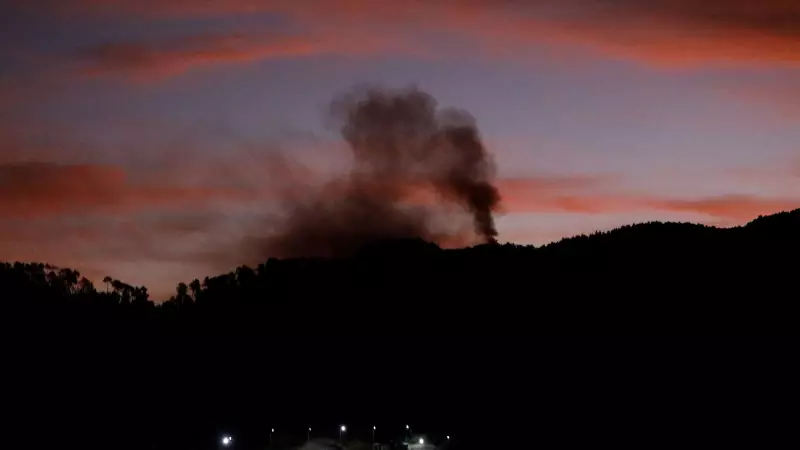
Trump justified the move by citing allegations that Maduro had turned Venezuela into a "narco-state" and manipulated elections. Venezuelan authorities reported attacks in areas including Caracas, Miranda, Aragua, and La Guaira. Local sources indicated at least seven strikes from low-flying aircraft around 2 a.m. local time.
Immediate Aftermath and Global Repercussions
Following the attack, the United States promptly issued a 'Level 4' travel advisory for its citizens, the highest warning level, advising against all travel to Venezuela. The advisory cited severe risks such as wrongful detention, terrorism, kidnapping, civil unrest, and inadequate health infrastructure.
China's vehement opposition positions it as a leading critic of this unilateral American action on the world stage. The event marks a serious deterioration in the stability of the Latin American and Caribbean region, with potential implications for global diplomacy and international law. The forceful capture of a sitting head of state sets a contentious precedent that is likely to dominate geopolitical discourse in the coming days.