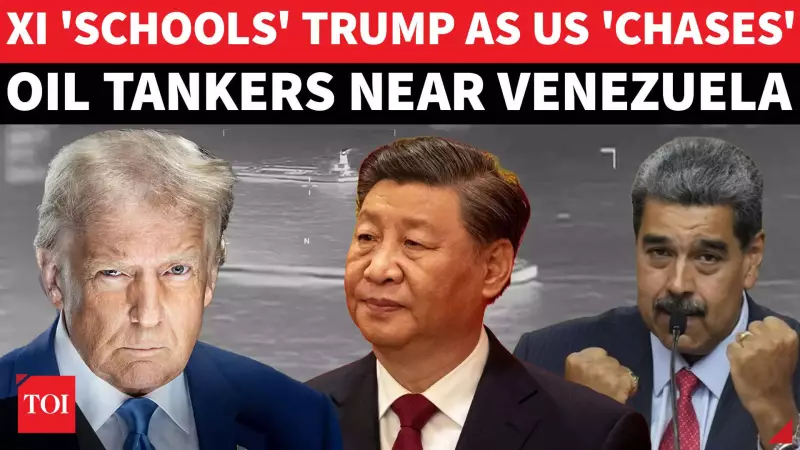
In a significant escalation of tensions over global energy resources, China has issued a strong rebuke to the United States for its seizure of a foreign-bound oil tanker. The incident, which involves Venezuelan crude, has ignited a fierce diplomatic row, drawing accusations of piracy and violations of international norms.
Beijing's Stern Accusation Against Washington
On December 23, 2025, China's foreign ministry publicly condemned the action by the United States. Beijing labeled the seizure a "serious violation of international law" and accused Washington of engaging in unilateral overreach. Chinese officials emphasized that all nations possess the fundamental right to pursue international trade without facing coercive seizures of their assets.
The controversy stems from an operation where the U.S. Coast Guard intercepted a tanker that was carrying crude oil from Venezuela. This move is part of a broader pressure campaign against the Venezuelan government, but it has now drawn a powerful global player directly into the fray.

A Unified Front of Diplomatic Backlash
The United States' action has not only angered China but also received immediate and fierce condemnation from Venezuela itself. The South American nation denounced the interception as an act of piracy, framing it as an aggressive infringement on its sovereign rights to export its natural resources.
This confrontation places the incident at the heart of a growing geopolitical standoff. It raises profound questions about the enforcement of maritime law, the limits of national sovereignty in international waters, and the future of established global norms governing trade and security.
Broader Implications for Global Power Dynamics
The strong statement from China signals a readiness to challenge US actions on the global stage, particularly concerning resource security and trade routes. The involvement of a major US rival like China transforms a regional dispute into a potential flashpoint with wider implications.
Analysts suggest this event could lead to increased naval posturing and legal disputes over freedom of navigation. It also underscores the complex web of alliances and enmities defining contemporary international trade and energy politics, where actions against one nation can quickly trigger responses from other powerful stakeholders.