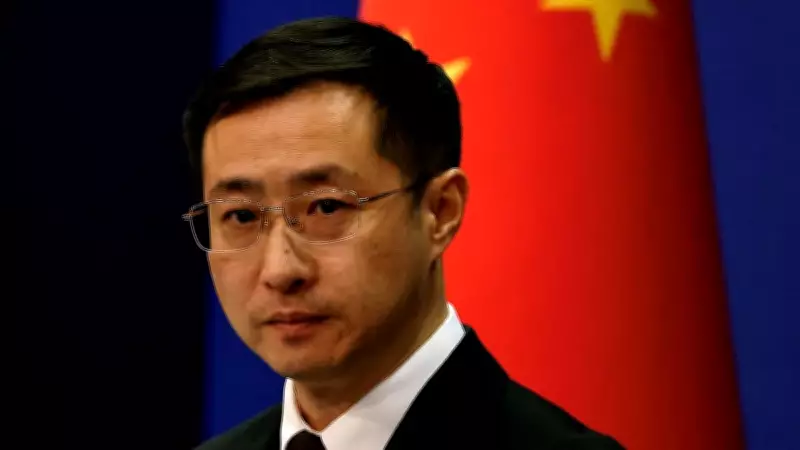
China Confirms Active Communication on Strait of Hormuz Security Matters
In a significant diplomatic development, Chinese authorities have officially stated that they are actively engaged in communication with all relevant parties concerning the strategic Strait of Hormuz. This announcement comes amid growing international attention to the security and stability of this crucial maritime passageway, which serves as a vital conduit for global oil shipments.
Response to US Inquiry on Security Assistance
The Chinese ministry was directly questioned regarding whether it had received any formal request from US President Donald Trump for assistance in ensuring the security and safe passage through the Strait of Hormuz. While the ministry did not explicitly confirm or deny receiving such a request, it emphasized China's commitment to multilateral dialogue and cooperative approaches to regional security challenges.
This diplomatic stance underscores China's growing role in international security affairs, particularly in regions of critical economic importance. The Strait of Hormuz, located between the Persian Gulf and the Gulf of Oman, is one of the world's most strategically significant chokepoints, through which approximately one-fifth of global oil consumption passes annually.

Broader Implications for Global Diplomacy
The Chinese response highlights several important aspects of contemporary international relations:
- China's preference for multilateral diplomatic engagement over unilateral approaches to security matters
- The increasing complexity of great power relations in strategically vital regions
- The delicate balance between national interests and international cooperation in maritime security
- The evolving role of emerging powers in traditional security frameworks
This development occurs against a backdrop of heightened tensions in the Persian Gulf region, where multiple nations have vested interests in maintaining free and secure navigation through these critical waters. China's statement suggests a careful diplomatic positioning that acknowledges the importance of the Strait while maintaining Beijing's characteristic emphasis on dialogue and consultation.
The ministry's carefully worded response reflects China's broader foreign policy approach, which typically emphasizes non-interference while simultaneously asserting its interests as a major global economic power. As one of the world's largest energy importers, China has substantial economic stakes in the stability of oil transportation routes, making the security of the Strait of Hormuz a matter of direct national interest.
This diplomatic communication represents another chapter in the complex relationship between major powers regarding global security arrangements, particularly in regions where traditional alliances and emerging power dynamics intersect. The situation continues to evolve as international stakeholders monitor developments in this strategically crucial maritime corridor.