China has launched a sharp diplomatic critique against the United States, accusing it of behaving like the "world's police or judge." This strong rebuke came in response to recent American actions pressuring Venezuela and other South American countries.
Wang Yi's Strong Condemnation of US Tactics
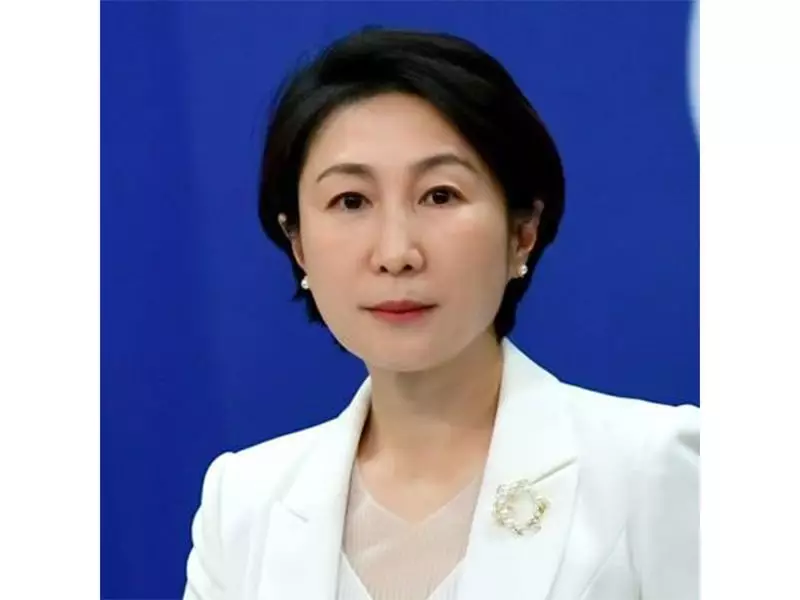
Chinese Foreign Minister Wang Yi delivered the pointed remarks during a press conference held on the sidelines of the National People's Congress in Beijing. Wang explicitly criticized the United States for its approach towards Venezuela. He condemned what he described as Washington's habit of applying unilateral sanctions and exerting maximum pressure on nations it disagrees with.
The Foreign Minister's statement directly addressed the US decision to reinstate sanctions on Venezuela's oil and gas sector. This move reversed earlier relief that was granted when Caracas agreed to electoral reforms. Wang Yi argued that such tactics are counterproductive and represent a form of bullying that the international community should reject.

The Context: US Pressure on Venezuela and Regional Allies
The diplomatic friction stems from recent US efforts to increase economic and political pressure on the government of Venezuelan President Nicolas Maduro. The United States, along with other nations, has not recognized Maduro's 2018 re-election, citing a lack of democratic integrity. In response, the US has maintained a series of crippling sanctions targeting Venezuela's crucial oil industry.
Furthermore, Washington has been actively urging other South American countries to align with its stance. This includes pressuring nations to limit their engagement with Caracas and to support alternative political figures, such as opposition leader Juan Guaido, whom the US once recognized as interim president. China views this external pressure on the sovereign affairs of a South American nation as unacceptable interference.
China's Stance and Broader Implications
China's position is firmly rooted in its long-standing foreign policy principles of non-interference in internal affairs and respect for national sovereignty. Wang Yi emphasized that the future of Venezuela should be determined solely by its own people, without external coercion or dictation. He positioned China as a defender of the norms of international relations and the United Nations Charter.
This incident is not an isolated one. It reflects the wider geopolitical competition between Beijing and Washington, particularly for influence in the Global South. China has developed significant economic ties with Venezuela, primarily through loans and investments secured by oil shipments. Defending its partner from US pressure also serves to protect Beijing's own substantial financial interests in the region.
The verbal clash underscores a deepening divide in how the world's two largest economies believe international disputes should be managed. While the US often employs sanctions and diplomatic isolation as tools, China advocates for dialogue and opposes what it labels as "hegemonic" behavior. This latest exchange adds another layer of tension to the complex US-China relationship, highlighting their conflicting visions for global order.