China has delivered a sharp rebuke to the United States, accusing it of engaging in "bullying" behaviour concerning Venezuela's internal affairs. The strong remarks came from the Chinese foreign ministry, which urged Washington to cease its interference and respect the Latin American nation's sovereignty.
China's Firm Stance Against US Sanctions
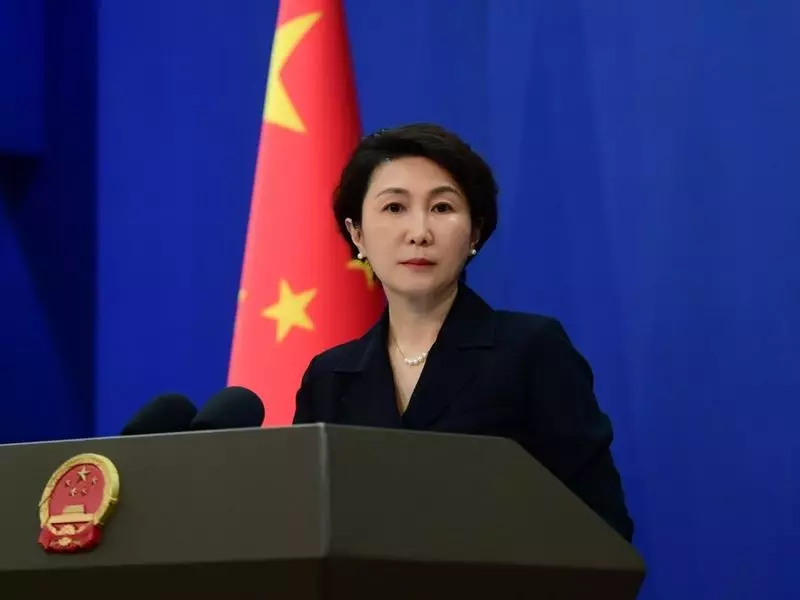
Foreign ministry spokesperson Wang Wenbin articulated China's position during a regular press briefing. He was responding to inquiries about recent sanctions imposed by the United States on Venezuela. Wang stated unequivocally that China firmly opposes unilateral coercive measures enacted by any country, framing them as a violation of international law and the basic norms governing international relations.
The spokesperson emphasised that such actions infringe upon the lawful rights and interests of the targeted nation. He called on the international community to take concrete steps to protect these rights. "China urges the US to reflect on its own wrongdoing, cease the bullying, coercion, and sanctioning, and act in accordance with international law and the basic norms of international relations," Wang declared.
Defending Venezuela's Right to Self-Determination
Central to China's argument is the principle of national sovereignty. Wang Wenbin stressed that the future of Venezuela should be determined solely by its own people, free from external pressure or dictation. This stance aligns with China's long-standing foreign policy doctrine of non-interference in the domestic affairs of other states.
The Chinese official further asserted that the Venezuelan government and its people possess the capability to resolve their own issues. He expressed confidence in their ability to maintain national stability and development through dialogue and consultation. This public support reinforces the strategic partnership between Beijing and Caracas, which has included significant Chinese investments and loans in Venezuela's energy sector over the years.
Broader Implications for International Relations
This diplomatic exchange highlights the ongoing geopolitical tensions between China and the United States, which frequently play out in third countries. The US has historically viewed Venezuela's socialist government as a destabilising force in the region and has employed sanctions as a primary tool to pressure political change.
China's vocal opposition serves multiple purposes. It positions Beijing as a defender of the Global South against Western hegemony, strengthens its alliance with resource-rich Venezuela, and challenges the US-led world order. The language used, particularly the term "bullying," is part of a broader Chinese diplomatic lexicon aimed at portraying US foreign policy as aggressive and illegitimate.
As major powers continue to vie for influence, the situation in Venezuela remains a flashpoint. China's firm statement indicates it will continue to use diplomatic and economic means to counter US policies it deems confrontational, setting the stage for further clashes over sovereignty and international law in other theatres around the world.