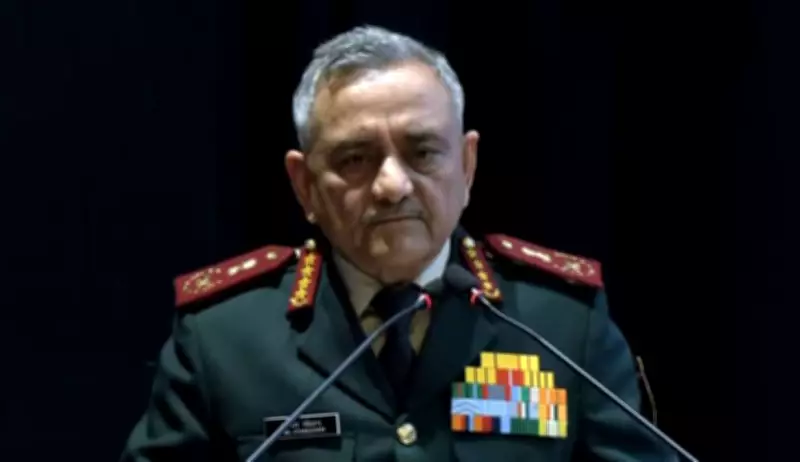
CDS Anil Chauhan Sheds Light on Nehru's Panchsheel Agreement with China
Chief of Defence Staff (CDS) General Anil Chauhan has provided a detailed explanation of why India's first Prime Minister, Jawaharlal Nehru, sought the Panchsheel Agreement with China. This insight comes amid ongoing discussions about historical diplomatic strategies and their relevance to contemporary India-China relations.
Historical Context of the Panchsheel Agreement
The Panchsheel Agreement, also known as the Five Principles of Peaceful Coexistence, was signed between India and China in 1954. According to CDS Anil Chauhan, Nehru's primary motivation was to establish a framework for peaceful relations and mutual respect between the two neighboring nations. Chauhan emphasized that Nehru envisioned this agreement as a cornerstone for stability in Asia, aiming to prevent conflicts and foster cooperation based on sovereignty and non-interference.
Chauhan pointed out that in the post-independence era, India was focused on nation-building and sought to avoid entanglement in Cold War tensions. The Panchsheel principles, which include mutual respect for territorial integrity and sovereignty, non-aggression, non-interference in internal affairs, equality and mutual benefit, and peaceful coexistence, were seen as a pragmatic approach to manage relations with a powerful neighbor like China.

Strategic Intent Behind Nehru's Diplomacy
CDS Anil Chauhan explained that Nehru's decision was driven by a combination of idealism and realpolitik. On one hand, Nehru was a proponent of global peace and believed in resolving disputes through dialogue rather than confrontation. On the other hand, he recognized the geopolitical realities of the time, where China's growing influence posed both opportunities and challenges for India.
Chauhan highlighted that the agreement was intended to create a buffer against potential hostilities, allowing India to concentrate on domestic development and economic growth. However, he also noted that the subsequent border conflicts, such as the 1962 war, revealed the limitations of such diplomatic efforts in the face of territorial disputes.
Relevance to Modern India-China Relations
In his analysis, CDS Anil Chauhan connected Nehru's vision to current dynamics, suggesting that the principles of Panchsheel continue to offer lessons for managing bilateral ties. He stressed the importance of maintaining open channels of communication and adhering to international norms, even as both nations navigate complex issues like border standoffs and economic competition.
Chauhan's remarks underscore the enduring significance of historical agreements in shaping foreign policy. He called for a balanced approach that combines diplomatic engagement with robust defence preparedness, reflecting on how Nehru's initiatives inform contemporary strategic thinking in India.
Key Takeaways from Chauhan's Explanation
- Peaceful Coexistence: Nehru aimed to promote stability through the Panchsheel Agreement, prioritizing dialogue over conflict.
- Geopolitical Strategy: The agreement was part of a broader effort to safeguard India's interests amid global and regional power shifts.
- Historical Lessons: Understanding past diplomatic efforts helps in formulating current policies towards China.
- Defence and Diplomacy: Chauhan advocates for a dual approach, emphasizing both peaceful relations and military readiness.
This explanation by CDS Anil Chauhan provides a nuanced perspective on a pivotal moment in India's foreign policy history, offering insights that resonate in today's geopolitical landscape.