

Bangladesh's Main Opposition Party Unveils Comprehensive Election Manifesto
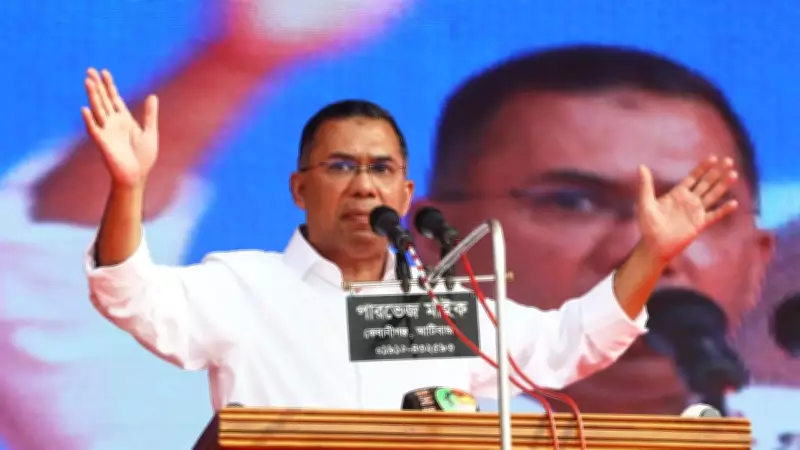
Bangladesh's primary opposition party, the Bangladesh Nationalist Party (BNP), officially presented its election manifesto on Friday, outlining significant promises for electoral reforms and accountable governance while adopting a notably tougher stance on foreign policy matters. The manifesto was formally launched by BNP chairman Tarique Rahman during a ceremony held in Dhaka, setting the stage for the upcoming national elections.
Core Promises of Electoral Integrity and Governance
The BNP's manifesto places strong emphasis on restoring what it terms the "dignity of the vote" and ensuring that no individual stands above the law. The party has committed to establishing a government that remains directly accountable to citizens, promising transparent governance structures that prioritize public oversight and responsiveness. This foundational commitment represents a direct appeal to voters seeking systemic political change.
Assertive Foreign Policy Framework
One of the most striking aspects of the manifesto is its detailed foreign policy approach, framed under the "Bangladesh Before All" doctrine. This policy centers on principles of equality and self-dignity, encapsulated in the slogan "Friend Yes, Master No". While India is not explicitly named in the document's bullet points, the manifesto clearly addresses long-standing bilateral issues that have defined Dhaka-New Delhi relations for decades.

The BNP has pledged to adopt a more assertive position on border management and river diplomacy if elected to power. The party emphasized that Bangladesh would neither interfere in other nations' internal affairs nor tolerate external interference in its own domestic matters.
Specific Focus on Border Security Concerns
The manifesto contains particularly strong language regarding border-related issues, reflecting persistent Bangladeshi grievances. Key commitments include:
- Taking "a strict position" to halt border killings along the India-Bangladesh frontier
- Addressing alleged "push-in" incidents where individuals are reportedly forced across borders without proper procedures
- Implementing comprehensive measures to combat cross-border smuggling operations
These points directly respond to ongoing concerns about security and human rights along the shared border with India.
River Water Sharing and Resource Management
On the critical issue of shared river resources, the BNP manifesto promises "effective measures" to secure Bangladesh's fair share from transboundary rivers. Specific proposals include:
- Implementing a comprehensive "Teesta Master Plan" for sustainable water management
- Pursuing development of the Padma barrage project to enhance water resource utilization
- Strengthening the Joint River Commission (JRC), the bilateral body responsible for managing shared river systems between Bangladesh and India
The manifesto specifically mentions rivers like Teesta and Padma, which have been sources of diplomatic tension regarding equitable water distribution.
Broader Diplomatic and Regional Engagement
Beyond immediate bilateral concerns, the BNP manifesto signals interest in revitalizing regional cooperation platforms. The party has promised to make the South Asian Association for Regional Cooperation (SAARC) more effective and to actively pursue membership in the Association of Southeast Asian Nations (ASEAN). These moves could potentially broaden Bangladesh's diplomatic options beyond its immediate neighborhood and enhance its regional influence.
Political Context and Election Landscape
The manifesto launch comes just six days before Bangladesh's national elections scheduled for February 12th. These elections mark the first national vote since the ouster of former prime minister Sheikh Hasina in 2024. With the ruling Awami League barred from contesting, the BNP is widely regarded as the front runner in the upcoming electoral contest.

However, the political environment remains deeply polarized, and international observers including the International Crisis Group have expressed concerns about electoral credibility and the potential for unrest during the voting process. The BNP's comprehensive manifesto represents both a policy roadmap and a strategic positioning document in this highly charged political atmosphere.





