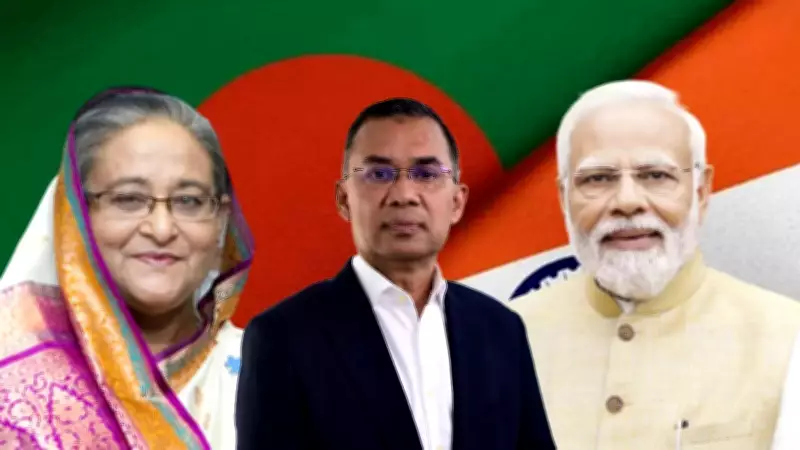
BNP Demands Sheikh Hasina's Extradition from India After Landslide Election Victory
The Bangladesh Nationalist Party (BNP), which secured a decisive victory in the recent general elections, has forcefully reiterated its demand for the extradition of ousted former Prime Minister Sheikh Hasina from India to face trial in Bangladesh. This call comes as the party prepares to assume a dominant role in Parliament under the leadership of Tarique Rahman.
Legal and Diplomatic Pressure Mounts
Senior BNP leader Salahuddin Ahmed has publicly stated that the party fully supports all legal avenues to ensure Hasina's return. He emphasized that India has legal obligations under international agreements and must respect Bangladesh's national sovereignty in this matter. Ahmed clarified that while Bangladesh desires normal and cooperative relations with all neighboring countries, including India, these relations must be established on a foundation of mutual respect and equal footing.
India's Response and Regional Stability
Earlier, India's Ministry of External Affairs (MEA) had affirmed its commitment to engage constructively with all stakeholders in Bangladesh to support peace and stability in the region. The statement did not directly address the extradition request but highlighted India's broader diplomatic approach. With the BNP now in a position of power, the party is expected to formally and persistently press this extradition issue through diplomatic channels, potentially testing the bilateral relationship.

The BNP's landslide win marks a significant political shift, and its stance on Hasina's extradition is seen as a key policy priority. The party argues that bringing the former leader to trial is essential for upholding the rule of law and addressing past grievances. This development adds a new layer of complexity to India-Bangladesh relations, which have historically been multifaceted and sensitive to domestic political changes in both nations.