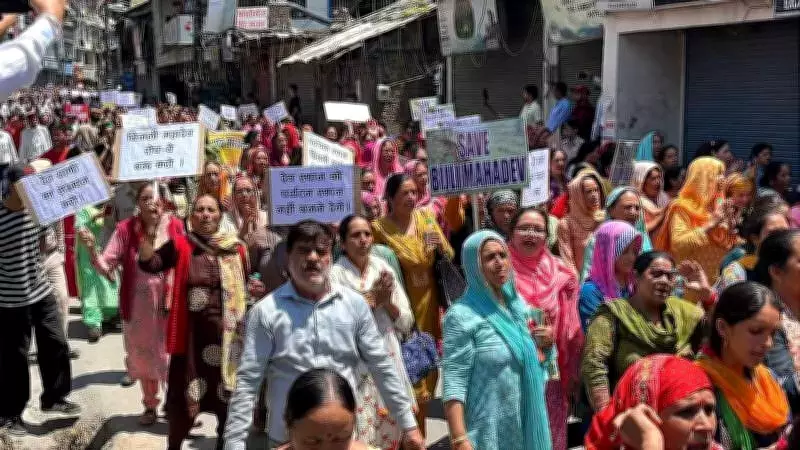
Bijli Mahadev Ropeway Project Halted Amidst Local Protests and Staff Manhandling
The Union Ministry of Road Transport and Highways has officially confirmed the suspension of the ambitious Bijli Mahadev ropeway project in Himachal Pradesh's Kullu district. This decision comes in response to intense local opposition and reported incidents of violence against project personnel.
Minister's Statement in Rajya Sabha
During the ongoing budget session, Road Transport and Highways Minister Nitin Gadkari provided crucial details in response to a question posed by Rajya Sabha MP Indu Bala Goswami. Gadkari revealed that work on the project was suspended in July 2025 following protests and the manhandling of site personnel by local residents. The minister emphasized that these incidents directly led to the halt in construction activities.
Local Opposition and Cultural Concerns
The suspension stems from deep-seated concerns among the local community. Residents have vocally demanded the cessation of the ropeway project, arguing that it poses a significant threat to the cultural, historical, and spiritual sanctity of the revered Bijli Mahadev temple. This sacred pilgrimage site holds immense religious importance for the people of the region, making any perceived disruption a highly sensitive issue.

Project Details and Legal Challenges
The Bijli Mahadev ropeway project, with an estimated cost of Rs 272 crore, was awarded under the Hybrid Annuity Mode (HAM). Designed to span 2.4 kilometers, the project aimed to enhance connectivity and tourism infrastructure. However, it faced substantial legal hurdles. Two separate petitions were filed with the National Green Tribunal (NGT) challenging the project's environmental impact.
One petition was submitted by the Bijli Mahadev Temple Committee, while the other was filed by Kullu resident Nachiketa Sharma. Both petitions sought to restrict the National Highways Logistics Management Limited, a central government agency and subsidiary of the National Highway Authority of India, from proceeding with the ropeway development. The petitioners consistently maintained that the project would lead to environmental destruction in the ecologically and spiritually sensitive temple area.
Broader Implications and Future Outlook
This development highlights the ongoing tension between infrastructure development and environmental or cultural preservation in India. The suspension of such a high-value project underscores the power of community activism and legal recourse in shaping national development agendas. As the situation remains unresolved, stakeholders await further clarity on whether the project will be permanently scrapped, modified to address concerns, or resumed under different circumstances. The case serves as a precedent for balancing modernization with the protection of heritage sites and local sentiments across the country.