

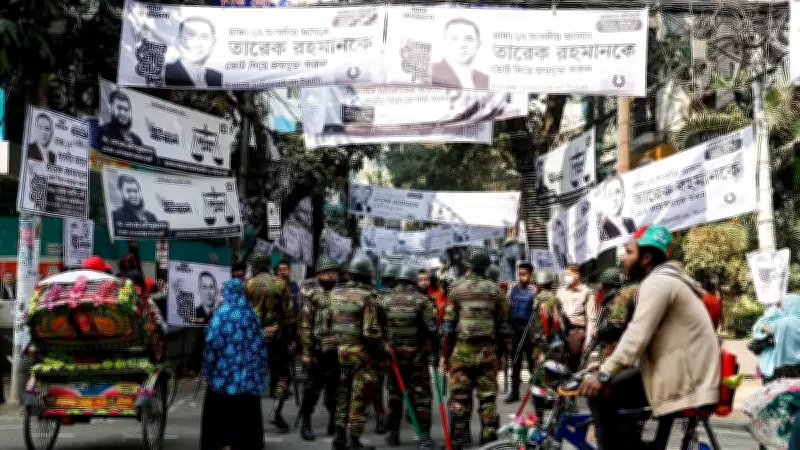
Bangladesh's Historic July Charter Referendum: A Pivotal Moment for Constitutional Reform
In an unprecedented move, Bangladesh is set to hold a national referendum concurrently with its upcoming general election, putting four major constitutional reforms to a public vote under the framework known as the 'July Charter.' This landmark event marks a significant shift in the nation's democratic process, as citizens will directly decide on structural changes that could reshape the country's governance.
What is the July Charter?
The 'July Charter' refers to a comprehensive package of proposed constitutional amendments and institutional reforms that have been debated and formulated over recent years. It represents a concerted effort to modernize Bangladesh's political and legal framework, addressing long-standing calls for greater checks and balances within the government. The charter's name is derived from the month when key deliberations culminated, symbolizing a summer of political renewal.
Key Reforms on the Ballot
Voters will be presented with four critical proposals that could fundamentally alter the nation's constitutional landscape:

- Creation of New Constitutional Bodies: The referendum includes the establishment of additional independent institutions designed to enhance transparency and accountability in governance. These bodies are expected to oversee areas such as electoral integrity, human rights, and anti-corruption measures, filling gaps in the current system.
- Introduction of a Bicameral Parliament: A major highlight is the proposal to transition from a unicameral to a bicameral legislature. This would involve creating an upper house, or Senate, to complement the existing lower house. The upper house would play a crucial role in legislative review, particularly for constitutional amendments, where its majority approval would be required, thereby adding an extra layer of scrutiny and deliberation.
- Enhanced Judicial Safeguards: The reforms aim to strengthen the judiciary's independence by introducing mechanisms to protect judicial appointments and processes from political interference, ensuring a more robust rule of law.
- Decentralization of Power: Proposals include measures to devolve more authority to local governments, promoting grassroots democracy and improving public service delivery across regions.
Why a Referendum Alongside the General Election?
Holding the referendum simultaneously with the general election is a strategic decision aimed at maximizing voter participation and ensuring a broad mandate for the proposed changes. This approach reduces logistical costs and leverages the heightened public engagement during election periods. It also reflects a commitment to participatory democracy, allowing citizens to have a direct say in constitutional matters that typically rest with elected representatives.
The timing underscores the government's intent to legitimize these reforms through popular consent, potentially avoiding partisan gridlock that could arise if handled solely through parliamentary channels.
Implications for Bangladesh's Future
If approved, the July Charter reforms could lead to a more balanced and resilient political system. The bicameral parliament, in particular, is expected to foster more deliberative lawmaking and provide stability by requiring consensus for constitutional changes. However, critics argue that such changes might complicate governance or concentrate power in new ways, highlighting the need for careful implementation.
As Bangladesh prepares for this dual electoral event, the world watches closely. The outcome of the referendum will not only determine the immediate trajectory of the nation's institutions but also set a precedent for democratic innovation in South Asia. With voter education campaigns underway, the emphasis is on ensuring an informed electorate ready to shape the country's constitutional future.






