

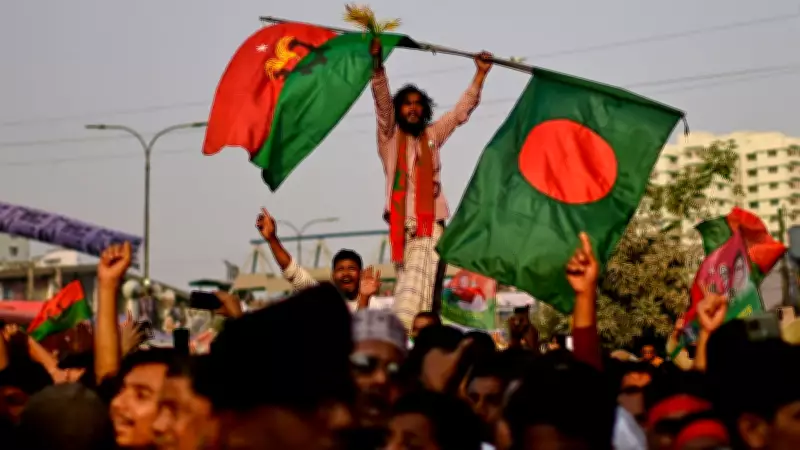
Bangladesh's 2026 Election: A Pivotal Moment for Gen Z Voters
As Bangladesh gears up for its 2026 general election, political analysts are forecasting what could be the nation's most fiercely contested poll in recent memory. This upcoming electoral battle is not just another routine political exercise; it represents a potential watershed moment, with a massive influx of first-time Gen Z voters poised to fundamentally alter the country's political dynamics. The race is particularly significant as it unfolds in a post-Sheikh Hasina context, setting the stage for a new chapter in Bangladesh's governance.
The Rise of the Youth Electorate
Demographic shifts are at the heart of this electoral transformation. An estimated over 20 million young Bangladeshis will be eligible to vote for the first time in 2026, comprising a substantial portion of the electorate. This Gen Z cohort, born between the late 1990s and early 2010s, brings with it distinct priorities and perspectives shaped by digital connectivity, global awareness, and economic aspirations. Their entry into the political arena is expected to challenge traditional party loyalties and inject fresh issues into the national discourse.
Post-Hasina Political Vacuum
The election gains added intensity as it likely marks a transition from the long-standing leadership of Prime Minister Sheikh Hasina, who has dominated Bangladeshi politics for years. With her tenure potentially concluding, a power vacuum is anticipated, triggering intense competition among various political factions. This scenario creates an unprecedented opportunity for opposition parties to mobilize support, especially among disillusioned youth seeking alternatives to the status quo.

- Economic Concerns: High youth unemployment and inflation are pressing issues for Gen Z voters, who demand tangible economic reforms.
- Digital Activism: Social media platforms have become powerful tools for political mobilization, allowing young voters to organize and voice dissent more effectively.
- Governance Demands: There is a growing clamor for transparency, accountability, and anti-corruption measures from the younger electorate.
- Climate Change: As a climate-vulnerable nation, environmental policies are increasingly prioritized by youth voters.
Implications for Bangladesh's Future
The 2026 election is more than a political contest; it is a referendum on Bangladesh's future trajectory. Analysts suggest that the outcome will hinge on which party can best articulate a vision that resonates with Gen Z's aspirations for economic opportunity, social justice, and sustainable development. Failure to address these concerns could lead to significant electoral volatility, with young voters potentially swinging results in unpredictable ways.
Moreover, the competitive nature of this poll underscores a maturing democracy, where electoral outcomes are no longer foregone conclusions. This dynamism could foster healthier political debate and policy innovation, benefiting the nation in the long run. However, it also raises stakes for maintaining electoral integrity and preventing unrest.
Conclusion: A Defining Electoral Moment
In summary, Bangladesh's 2026 general election is shaping up to be a historic event, driven by the transformative influence of Gen Z voters. As the country navigates a post-Hasina era, the political landscape is ripe for reconfiguration. The youth's demand for change, coupled with heightened competition among parties, promises to make this the most closely watched and consequential election in years, with ramifications extending far beyond Bangladesh's borders.






