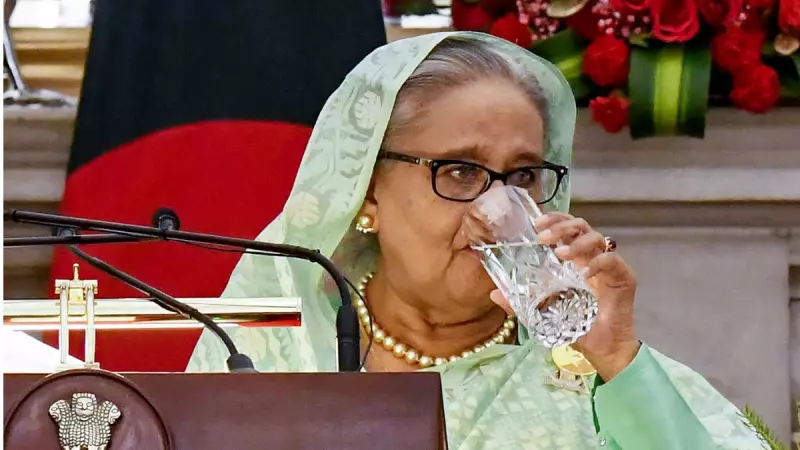
Bangladesh Voices Deep Concern Over Sheikh Hasina's India Address, Fearing Diplomatic Fallout
In a significant development that has sent ripples through South Asian diplomatic circles, Bangladesh has officially expressed profound shock and serious concern regarding Prime Minister Sheikh Hasina's recent address delivered in India. The Bangladeshi government has issued a stern warning, stating that the content and context of this speech could potentially severely impair the longstanding bilateral relations between the two historically close neighbors. This incident marks one of the most notable public expressions of diplomatic discontent from Dhaka towards New Delhi in recent years, raising questions about the future trajectory of their partnership.
Details of the Controversial Address and Immediate Reactions
The address in question was delivered by Prime Minister Sheikh Hasina during an official visit to India, where she spoke at a prominent forum. While the full transcript has not been widely disseminated, sources indicate that certain remarks made by Hasina touched upon sensitive bilateral issues, including trade imbalances, water-sharing agreements, and regional security dynamics. The Bangladeshi foreign ministry, in a formal statement, described the speech as "unexpected and concerning," highlighting that it diverged significantly from previously agreed-upon diplomatic narratives and cooperative frameworks.
Reactions within Bangladesh have been swift and varied. Political analysts and opposition leaders have criticized the address, arguing that it may undermine national interests and sovereignty. Meanwhile, government officials have emphasized the need for immediate diplomatic consultations to address the fallout and prevent further escalation. The Indian government, for its part, has maintained a cautious stance, acknowledging the address but refraining from detailed public commentary, likely to avoid inflaming the situation further.
Potential Implications for India-Bangladesh Relations
The bilateral relationship between India and Bangladesh is multifaceted, encompassing economic cooperation, cultural exchanges, and strategic partnerships. Key areas that could be affected include:
- Trade and Economic Ties: Bangladesh is a significant trade partner for India, with bilateral trade exceeding billions of dollars annually. Any strain in relations could impact cross-border commerce, investment flows, and joint infrastructure projects.
- Security and Defense Cooperation: The two nations collaborate closely on counter-terrorism, border management, and regional stability. Diplomatic tensions might hinder these efforts, potentially affecting broader South Asian security.
- Water Resource Management: Shared rivers like the Ganges and Brahmaputra are critical for both countries. Disputes over water-sharing have been a historical flashpoint, and this incident could complicate ongoing negotiations.
- People-to-People Connections: Cultural and familial ties run deep, with millions of people crossing borders for tourism, education, and medical purposes. A diplomatic rift could strain these grassroots connections.
Experts warn that if not managed adeptly, this situation could lead to a "cooling-off period" in relations, affecting collaborative initiatives under frameworks like the Bay of Bengal Initiative for Multi-Sectoral Technical and Economic Cooperation (BIMSTEC) and the Indian Ocean Rim Association (IORA). The timing is particularly sensitive, as both countries are navigating complex regional geopolitics involving China, Myanmar, and other stakeholders.
Historical Context and Path Forward
India and Bangladesh share a deep historical bond, forged during Bangladesh's Liberation War in 1971, when India played a pivotal role. Over the decades, relations have generally been warm, with periodic challenges over issues such as border disputes, migration, and trade deficits. However, the current episode stands out due to its public nature and the strong language used by Bangladeshi authorities.
To mitigate the damage, diplomatic channels are expected to be activated promptly. Potential steps include:
- High-Level Dialogues: Engaging in backchannel talks and formal meetings between foreign ministers or envoys to clarify positions and reduce misunderstandings.
- Joint Statements: Issuing collaborative communiqués to reaffirm commitment to bilateral ties and outline mutual interests.
- Confidence-Building Measures: Initiating new cooperative projects in areas like healthcare, education, or technology to rebuild trust.
- Media Management: Encouraging responsible reporting to prevent sensationalism and public backlash in both nations.
As the situation unfolds, observers are closely monitoring whether this incident will be a temporary setback or a more profound shift in the India-Bangladesh relationship. The outcome will likely influence not only bilateral dynamics but also regional stability in South Asia, making it a critical issue for policymakers and citizens alike.