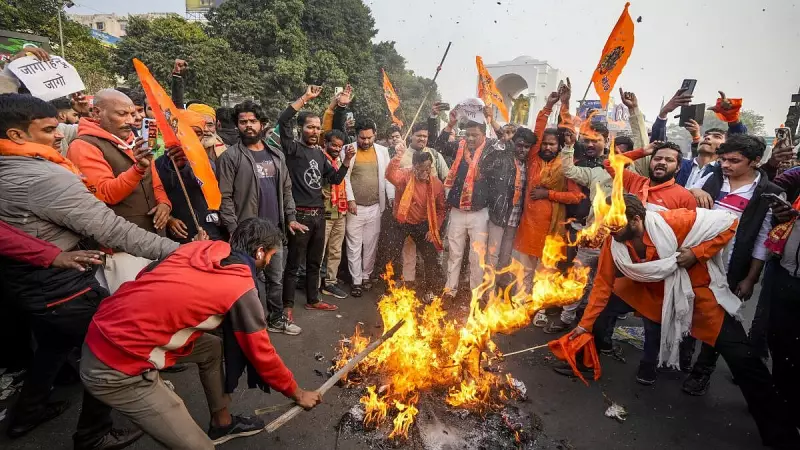
Political instability in neighbouring Bangladesh and the charged electoral environment within India are on a potential collision course, creating a complex web of diplomatic risks. This analysis, drawing on insights from commentator Bharat Bhushan, examines how domestic politics in both nations could spill over into foreign policy challenges with unpredictable consequences.
The Tinderbox in Dhaka: Understanding the Protests
The source of the current tension lies in the ongoing anti-government protests within Bangladesh. While the original text does not specify the exact nature of these demonstrations, such movements typically stem from deep-seated political discontent, economic grievances, or demands for electoral reforms. For India, a nation that shares a long and porous border with Bangladesh, internal unrest in Dhaka is never just a distant event.
Instability in Bangladesh directly impacts regional security, cross-border movements, and economic ties. Bharat Bhushan's analysis, published on December 26, 2025, underscores that Delhi must navigate this situation with extreme caution. The historical, cultural, and economic linkages between the two countries mean that India's response will be scrutinised both domestically and internationally.

Delhi's Electoral Polarisation: A Complicating Factor
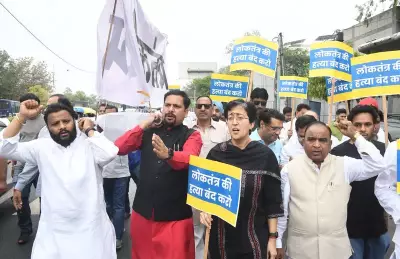
Complicating India's diplomatic calculus is its own internal political climate. As highlighted, Delhi’s electoral polarisation adds a volatile layer to foreign policy decision-making. In the heat of political competition, complex international issues can be simplified into potent electoral rhetoric.
This polarisation risks forcing the government's hand, potentially boxing it into taking public stances on Bangladesh's internal affairs that may not serve long-term strategic interests. Policy towards Bangladesh could become a tool for mobilising political bases rather than a carefully crafted strategy for regional stability. The collision of these two forces—Dhaka's street politics and Delhi's ballot box politics—creates a scenario ripe for miscalculation.
Navigating Unpredictable Diplomatic Crossroads
The convergence of these events presents a significant test for Indian diplomacy. The primary challenge is to maintain a balanced position that safeguards India's national interests without unnecessarily interfering in Bangladesh's sovereign matters or being perceived as taking sides.
A misstep could have several consequences:
- Straining a crucial bilateral relationship that is vital for trade, security, and connectivity in India's Northeast.
- Empowering forces hostile to India within Bangladesh's political landscape.
- Creating a foreign policy distraction during a sensitive domestic electoral period.
The path forward requires statesmanship that rises above short-term political gains. India must engage with all stakeholders in Bangladesh quietly and effectively, emphasising stability and peaceful dialogue. Simultaneously, domestic political discourse must insulate critical foreign policy from partisan brinkmanship. As the situation evolves, the interplay between Dhaka’s instability and Delhi’s politics will be a key determinant of regional peace in the coming months.