In a significant development for minority representation in poll-bound Bangladesh, the country's election commission has cleared the nomination of Utpal Biswas, an independent candidate from Gopalganj 2. This decision comes as a relief for minority communities ahead of the February 12 elections.
Nomination Approval Raises Hopes
The election commission overturned the rejection of Biswas's nomination, which was initially turned down by the returning officer. Gopalganj 2 was previously held by Sheikh Selim, cousin of former Prime Minister Sheikh Hasina. This approval has created optimism among minority candidates facing similar challenges.
Challenges Under Election Law
Both Biswas and another minority candidate, Gobindadeb Pramanik, faced rejection under a specific election provision. This rule requires independent candidates to secure endorsement from 1% of voters in their constituency when filing nominations. In Biswas's case, authorities questioned the validity of some signatures within this 1% requirement.

Biswas successfully addressed these concerns by presenting the voters before the election commission. These voters reaffirmed their support, leading to the approval of his candidacy. Meanwhile, Pramanik, contesting from Gopalganj 3—a seat represented by Hasina herself—awaits a decision on his appeal against similar rejection. He expects the outcome by this weekend.
Candidate Profiles and Agendas
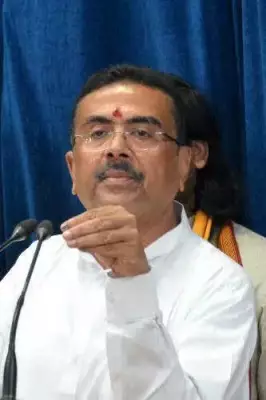
Utpal Biswas brings his reputation as a Supreme Court lawyer to the electoral arena. He emphasizes farm sector reforms as his primary agenda, believing this issue can unite both Hindu and Muslim voters. His legal background strengthens his campaign approach.
Gobindadeb Pramanik serves as general secretary of Bangladesh Hindu Mahajote, a grand alliance of Hindu organizations. Since this alliance is not a registered political party, Pramanik must contest as an independent candidate. His case highlights the structural challenges minority candidates face within Bangladesh's electoral system.
Broader Implications for Minority Representation
Sources indicate that the 1% support rule creates substantial hurdles for independent candidates seeking nomination clearance. Several minority candidates are running as independents in these elections, making this issue particularly relevant. The commission's decision in Biswas's case sets a precedent that could influence other pending appeals.
This development occurs amidst growing attention on minority participation in Bangladesh's democratic process. The approval offers a glimmer of hope for broader inclusion, though challenges remain for candidates like Pramanik. The coming days will reveal whether this positive trend extends to other minority aspirants.