

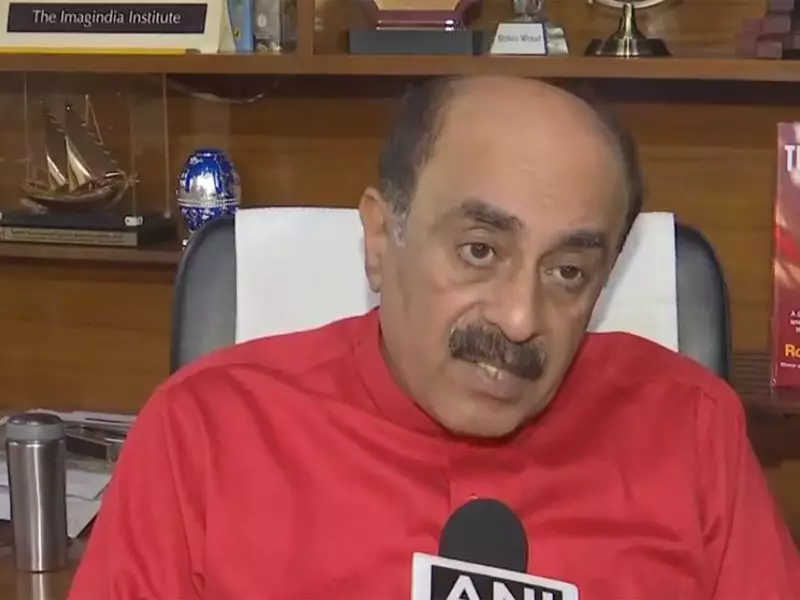
Prominent foreign affairs analyst Sreeradha Datta has raised a serious alarm regarding the direction of India-Bangladesh relations. She asserts that certain active elements within Bangladesh are not merely content with distancing the country from India but are deliberately seeking ways to cause harm to its larger neighbour. This stark warning highlights a significant shift in the political undercurrents between the two historically linked nations.
Expert Analysis Points to a Coordinated Campaign
In a detailed discussion, Datta, who serves as the Director of the Centre for Governance and Political Studies at the Vivekananda International Foundation, outlined the current challenges. She emphasized that the situation extends beyond a simple cooling of diplomatic ties. The objective of these factions, she stated, is to actively "find ways to hurt India." This represents a more aggressive posture than mere diplomatic recalibration.
Datta connected this rising sentiment directly to the political landscape following Bangladesh's January 7 general elections. The expert noted that while Sheikh Hasina's government has historically maintained strong relations with India, the political opposition and other groups have increasingly adopted an anti-India stance as a core part of their platform. This rhetoric, she suggests, is now translating into concrete actions and policies aimed at undermining New Delhi's interests in the region.

Historical Context and the Shift in Narrative
The analyst provided crucial context for this deterioration. For many years, the foundation of the bilateral relationship was mutually beneficial cooperation. India played a pivotal role in Bangladesh's liberation war in 1971, a fact that long served as a cornerstone for friendship. However, Datta points out that this historical narrative is being systematically downplayed and rewritten by certain quarters in Bangladesh.
"The narrative in Bangladesh is being changed," Datta explained. Elements opposed to the current government are propagating a view that frames India as an overbearing influence rather than a historic ally. This revisionism seeks to erase the shared history of 1971 and replace it with a narrative of Indian dominance, which in turn fuels public sentiment against maintaining close relations.
Consequences for Regional Stability and Security
The implications of this strategic shift are profound for regional geopolitics. A Bangladesh that is actively seeking to harm Indian interests could create instability in India's eastern frontier. This might manifest in several areas:
- Security Concerns: Potential for increased cross-border issues and a less cooperative environment on security matters.
- Economic Fallout: Disruption of vital trade routes and energy corridors that benefit both nations.
- Strategic Vacuum: The deterioration could open opportunities for other global powers to increase their influence in Bangladesh, potentially at India's expense.
Datta's analysis serves as a critical reminder that diplomatic relationships require constant nurturing. The assumption of a permanently friendly Bangladesh based on historical ties is being challenged by contemporary political realities. The expert's warning underscores the need for India to engage in sophisticated diplomacy to address these emerging challenges, counter the negative narratives, and protect its strategic interests in a crucial neighbouring country.






