Bangladesh's Acting President Tarique Rahman Initiates Sweeping Army Reshuffle, Recalls Defence Adviser from India
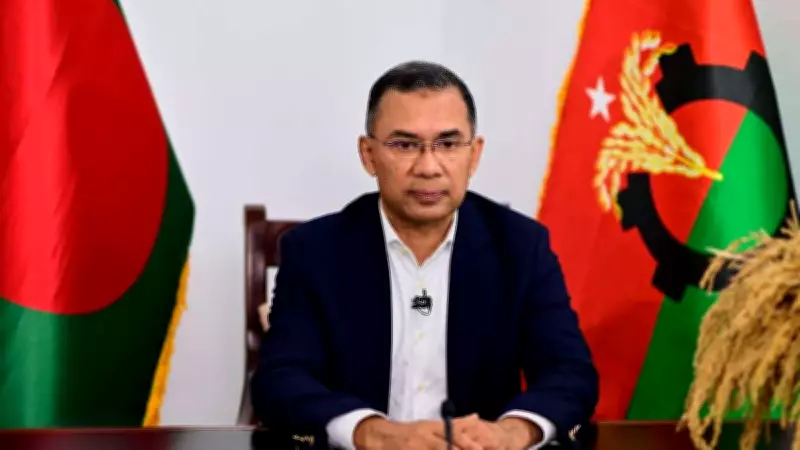
In a significant move that underscores the evolving political and military dynamics in South Asia, Bangladesh's acting president, Tarique Rahman, has ordered a major reshuffle within the country's army. This restructuring includes the immediate recall of the defence adviser posted in India, a decision that has sparked widespread attention and analysis across regional diplomatic circles.
Details of the Army Reshuffle Under Tarique Rahman's Directive
The reshuffle, announced on February 23, 2026, involves key personnel changes and strategic reassignments aimed at streamlining military operations and enhancing national security protocols. Tarique Rahman, who assumed the role of acting president following recent political developments, has emphasized that these adjustments are part of a broader effort to modernize and strengthen Bangladesh's armed forces in response to contemporary challenges.
Notably, the recall of the defence adviser from India marks a pivotal aspect of this reorganization. This position, which plays a crucial role in fostering bilateral defence cooperation and intelligence sharing between Bangladesh and India, has been vacated as part of the reshuffle. The move is seen as a recalibration of diplomatic and military engagements, potentially reflecting shifts in Bangladesh's foreign policy priorities or internal security considerations.

Implications for Bangladesh-India Relations and Regional Stability
The recall of the defence adviser from India raises questions about the future trajectory of defence ties between the two neighboring countries. Historically, Bangladesh and India have maintained close military collaborations, including joint exercises, training programs, and equipment exchanges. This decision could signal a reassessment of such partnerships under the current administration, though official statements have not explicitly cited any strains in bilateral relations.
Experts suggest that the reshuffle may be influenced by domestic political factors, including efforts to consolidate power and address internal security threats. Tarique Rahman's leadership has been marked by a focus on national sovereignty and military preparedness, and this reshuffle aligns with those objectives. Additionally, the timing of the announcement, amid ongoing political tensions within Bangladesh, adds a layer of complexity to the situation, with analysts monitoring for potential ripple effects on regional stability.
Broader Context of Military Reforms in Bangladesh
This army reshuffle is not an isolated event but part of a series of military reforms initiated in recent years. Bangladesh has been actively working to enhance its defence capabilities through modernization initiatives, technological upgrades, and strategic realignments. The current changes under Tarique Rahman's orders are expected to further these goals, with a focus on improving operational efficiency and responsiveness.
Key aspects of the reshuffle include:
- Reassignment of senior army officers to new posts, aimed at optimizing leadership roles.
- Adjustments in command structures to better address emerging security threats.
- Enhanced coordination between different branches of the military to bolster overall defence readiness.
The recall of the defence adviser from India is particularly noteworthy, as it may impact ongoing defence dialogues and collaborative projects. However, officials have indicated that this move is procedural and part of routine personnel rotations, though its timing and scale suggest deeper strategic considerations.
Looking Ahead: Potential Outcomes and Regional Reactions
As Bangladesh implements these changes, the international community, especially neighboring countries like India, will be closely watching the implications for regional security and diplomacy. The reshuffle could lead to a reevaluation of defence partnerships and influence future military engagements in South Asia.

In summary, Tarique Rahman's order for a major army reshuffle, including the recall of the defence adviser in India, represents a significant development in Bangladesh's military and political landscape. While aimed at strengthening national defence, it also highlights the intricate balance between domestic priorities and international relations. Continued monitoring of this situation will be essential to understand its full impact on Bangladesh's trajectory and regional dynamics.