

Arab and Muslim Nations Convene in Riyadh Amid Escalating Gulf Conflict
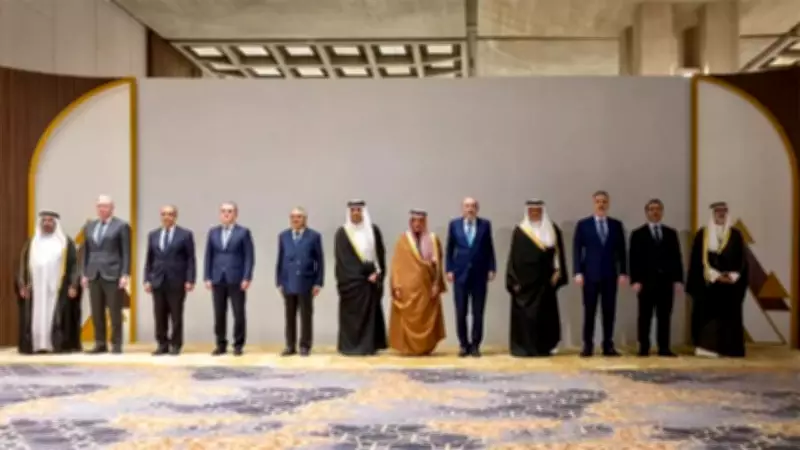
As the military confrontation between Iran and the US-Israel alliance intensifies, with missile strikes reverberating across the strategic Gulf region, a critical diplomatic summit in Riyadh has materialized as a pivotal moment shaping the collective regional response. Foreign ministers from more than a dozen Arab and Muslim countries assembled in the Saudi capital for emergency discussions, aiming not merely to react to the unfolding crisis but to formulate a unified stance regarding Iran's aggressive actions, regional security architecture, and the future of diplomatic engagement in West Asia.
Broad Coalition Gathers to Address Widespread Concerns
The high-stakes meeting in Riyadh brought together a diverse array of regional and allied nations, reflecting the profound scale of apprehension surrounding the ongoing conflict. According to an official joint statement released on Thursday, representatives from Qatar, Azerbaijan, Bahrain, Egypt, Jordan, Kuwait, Lebanon, Pakistan, Saudi Arabia, Syria, Türkiye, and the United Arab Emirates were all in attendance. This wide participation underscores how extensively the war's repercussions are being felt, spanning from direct military threats and risks from missile debris to severe disruptions in energy supplies and mounting fears of large-scale humanitarian displacement should tensions continue to escalate.
The gathering marked one of the most significant diplomatic alignments witnessed since the conflict's inception. Central to the deliberations was a shared, grave concern that the warfare is no longer contained, with civilian and critical energy infrastructure becoming targets, thereby elevating the risk of a full-blown regional conflagration. In a unified position, the participating nations issued a strong condemnation of Iran's recent attacks across the region, particularly focusing on strikes against vital infrastructure such as energy facilities and international airports.

Measured Condemnation and a Delicate Diplomatic Balance
The language employed in the joint statement was forceful yet carefully measured. Instead of advocating for military retaliation, the ministers concentrated on strategies for de-escalation and stability, signaling a collective desire to prevent the crisis from spiraling into an uncontrollable conflict. One of the most notable aspects of the Riyadh summit was its clear but controlled criticism directed at Iran. The ministers explicitly described the attacks as unacceptable, emphasizing that national sovereignty must be respected, civilian infrastructure must remain off-limits, and further escalation poses a dire threat to both regional and global stability.
However, the statement deliberately stopped short of completely isolating Iran diplomatically. This reflects a complex regional reality where, despite rising tensions, numerous countries remain hesitant to sever all ties with Tehran entirely, acknowledging that maintaining channels for dialogue is essential to avert a catastrophic wider war. Interestingly, the meeting also addressed Israel's role in the conflict but in a markedly more restrained manner. While some criticism was voiced regarding Israeli actions in the region, ministers largely avoided directly commenting on Israel's strikes against Iran, choosing instead to keep the primary focus on immediate regional stability. This selective emphasis highlights the intricate diplomatic balancing act required to condemn Iran's attacks while avoiding the inflation of tensions with Israel and preserving space for broader future negotiations.
Energy Security and the Right to Self-Defense Take Center Stage
Among the most urgent concerns discussed was the severe threat to global energy infrastructure. Recent attacks targeting gas facilities, oil refineries, and crucial shipping routes have raised alarms far beyond the Middle East. The ministers issued a stark warning that continued targeting of these energy sites could severely disrupt global supply chains, trigger spikes in oil and gas prices, and precipitate wider economic instability worldwide. Given that the Gulf region supplies a substantial portion of the planet's energy, the clear message was that this conflict has evolved from a regional issue into a genuine global risk.

The joint discussions also firmly reaffirmed a fundamental principle: the inherent right of nations to defend themselves under international law. This affirmation was not merely a legal statement but a strategic signal. By emphasizing self-defense, the ministers justified potential defensive actions, issued a warning against further attacks, and reinforced the concept of collective security. Simultaneously, they refrained from endorsing offensive retaliation, once again underscoring the overarching emphasis on containment over direct military confrontation.
A Broader Call for De-escalation and Diplomatic Engagement
Beyond immediate crisis responses, the Riyadh meeting carried a broader diplomatic message: the region cannot afford a prolonged war, dialogue must remain open, and escalation ultimately benefits no party involved. This stance aligns with ongoing international efforts to bring the conflicting parties back to the negotiating table, even as active hostilities continue. Previous diplomatic engagements in the region have similarly stressed the imperative to avoid conflict and prioritize dialogue, highlighting a consistent theme across recent geopolitical initiatives.
The Riyadh summit convened at a moment of peak tension, with missile strikes, emergency alerts, and energy disruptions dominating global headlines. The assembly of multiple Arab and Muslim nations signals a coordinated regional response rather than a series of isolated reactions. The outcome reflects a nuanced and carefully calibrated position—firm on the defense of national sovereignty, cautious regarding escalation, and open to diplomatic pathways, recognizing that events in the Gulf directly impact global oil prices, international markets, and worldwide security.
The meeting also mirrors a deeper, unsettling reality: the Middle East is entering a new and dangerous phase of instability. Recent developments have demonstrated that conflicts are increasingly crossing borders, economic targets are becoming military objectives, and civilian infrastructure is growing more vulnerable. In this volatile environment, proactive and sustained diplomacy is not only important but absolutely essential for preventing catastrophe.
Perhaps the most significant takeaway from the Riyadh gathering is the palpable sense of collective urgency. Despite longstanding political differences, historical rivalries, and varying international alliances, Arab and Muslim nations have come together to deliver a unified message: the current escalation must stop. However, this hard-won unity remains fragile. The ongoing challenges of balancing relations with Iran, managing ties with global superpowers, and addressing internal security concerns will continue to test regional cohesion in the days and weeks ahead.





