

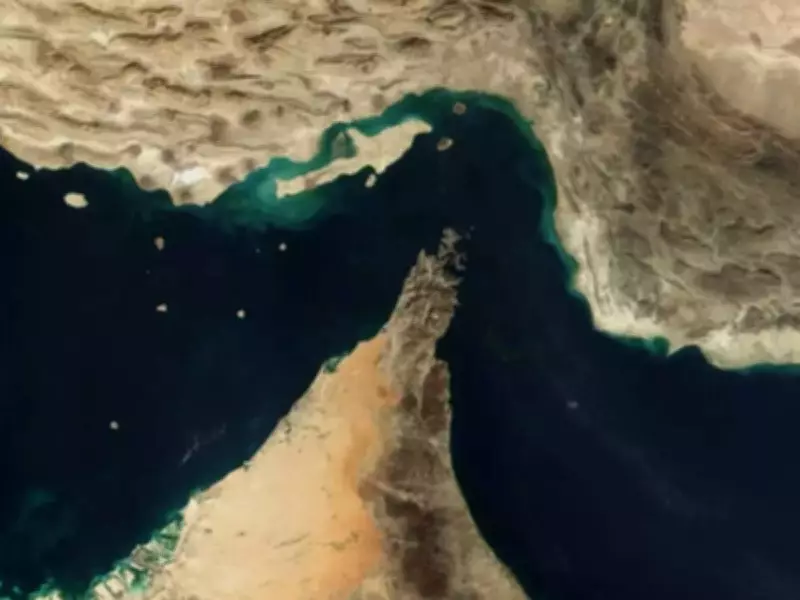
US Allies Mobilize Diplomatic Coalition to Address Strait of Hormuz Closure
A coalition of key US allies is preparing a significant diplomatic initiative aimed at persuading Iran to reopen the strategically vital Strait of Hormuz. The group is also evaluating potential sanctions against Tehran should the critical waterway remain closed, escalating global concerns over energy security and maritime freedom.
Virtual Summit to Coordinate International Response
British Foreign Secretary Yvette Cooper will chair a crucial virtual meeting on Thursday, bringing together foreign ministers from approximately 35 nations. This diverse coalition includes major European powers such as France, Germany, and Italy, alongside global partners like Canada, Japan, and the United Arab Emirates. The primary objective of this gathering is to develop and coordinate a comprehensive plan to restore freedom of navigation through the strait. Notably, the United States is not scheduled to participate in this initial diplomatic roundtable.
With the regional conflict now entering its second month, reopening the Strait of Hormuz has emerged as an urgent priority for governments worldwide. The prolonged closure has triggered soaring energy prices and raised the specter of severe shortages, threatening global economic stability and energy markets.

Three-Track Strategy: Diplomatic, Economic, and Military Considerations
According to informed sources who requested anonymity to discuss sensitive, non-public information, the countries convened by Britain will pursue a three-track approach:
- Diplomatic Track: The immediate focus will center on coordinated diplomatic efforts, leveraging nations that maintain established channels of communication with Tehran. This initial phase aims to achieve a peaceful resolution through dialogue and persuasion.
- Economic Track: Should diplomatic initiatives fail to yield results, the coalition is prepared to consider implementing targeted economic measures. These would specifically aim at Iran's crucial oil and shipping industries, applying pressure to compel compliance.
- Military Track: At a later stage, the group could establish conditions for potential military options if deemed necessary. However, sources emphasized that these discussions remain preliminary and will not be the focus of Thursday's meeting. Any military involvement would likely be limited to certain coalition members and could primarily involve post-conflict activities such as maritime policing and mine clearance.
Political Leaders Emphasize Diplomatic Solutions
British Prime Minister Keir Starmer has explicitly ruled out direct military engagement in the conflict, reinforcing the preference for diplomatic channels. Similarly, French President Emmanuel Macron, during a visit to Tokyo on Wednesday, articulated a cautious stance. He suggested that European, Asian, and West Asian nations "can play a role in ensuring that transit through the Strait of Hormuz proceeds smoothly," but firmly insisted "this is not a military option at all."
The coalition's strategy reflects a calibrated, multi-phase response to a complex geopolitical challenge, prioritizing diplomacy while preparing contingency measures to safeguard one of the world's most critical maritime chokepoints.






