In a swift diplomatic response, the West African nations of Burkina Faso and Mali have announced reciprocal travel restrictions against United States citizens. This move comes directly after the Trump administration expanded its controversial travel ban to include citizens from 39 countries.
The Principle of Reciprocity Invoked
Burkina Faso's Foreign Minister, Karamako Jean-Marie Traoré, made the announcement on Tuesday, stating the country would immediately apply the same entry conditions to US nationals as the US imposes on Burkinabé citizens. Mali's foreign ministry issued a parallel statement, expressing its "regret" that the US made such a significant decision "without the slightest prior consultation."
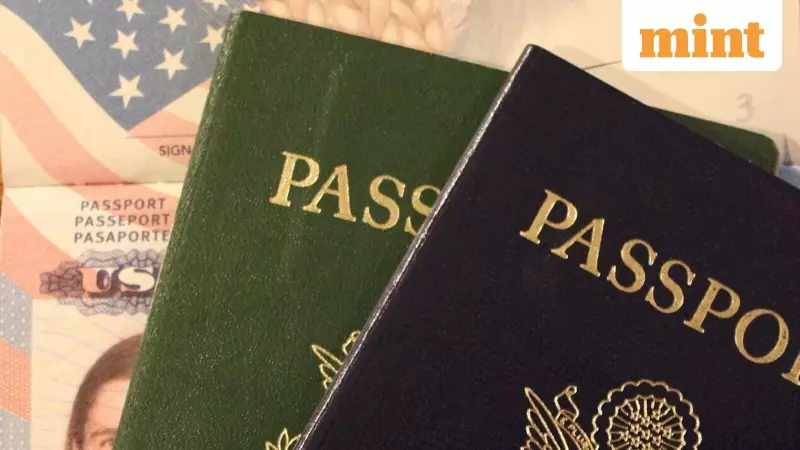
The core of their action is the principle of reciprocity. Both nations are now applying the identical conditions and requirements on American passport holders that American authorities enforce for their citizens seeking entry into the United States.

Scope of the US Travel Ban and African Impact
The expanded US travel ban, announced by President Donald Trump, targets 39 countries with either full or partial restrictions. A striking 25 out of these 39 nations are from the African continent, highlighting the disproportionate focus of the policy.
The list includes countries facing severe challenges, such as Syria, Yemen, and some of the world's poorest nations like Niger, Sierra Leone, and South Sudan. The ban also affects those holding passports issued by the Palestinian Authority.
Complete US Travel Ban List
The following countries face a complete travel ban to the United States:
- Afghanistan
- Burkina Faso
- Burma (Myanmar)
- Chad
- Equatorial Guinea
- Eritrea
- Haiti
- Iran
- Laos
- Libya
- Mali
- Niger
- Republic of the Congo
- Sierra Leone
- Somalia
- South Sudan
- Sudan
- Syria
- Yemen
Travelers using passports from the Palestinian Authority are also barred.
Partial US Travel Ban List
Citizens from these countries face specific restrictions:
- Angola, Antigua and Barbuda, Benin, Burundi
- Côte d'Ivoire (Ivory Coast), Cuba, Dominica, Gabon
- The Gambia, Malawi, Mauritania, Nigeria
- Senegal, Tanzania, Togo, Tonga
- Venezuela, Zambia, Zimbabwe
Turkmenistan is a special case, with restrictions on non-immigrant visas and bans for immigrants.
Implications for Sports and Global Relations
The ban creates an immediate complication for international sports. Notably, Senegal and Ivory Coast, which are under partial US restrictions, have qualified for the 2026 FIFA World Cup co-hosted by the US, Canada, and Mexico.
While the Trump administration has indicated it will permit athletes from blacklisted countries to enter for the tournament, it has made no such assurances for fans. This raises questions about the ability of supporters from these nations to attend matches in the United States.
The White House, while announcing the bans, stated the policy targets individuals who "intend to threaten" Americans. However, the retaliatory measures from Burkina Faso and Mali signal a growing diplomatic friction, with affected nations pushing back against what they perceive as unilateral and non-consultative actions by a global power. This tit-for-tat escalation underscores the broader geopolitical tensions ignited by the travel restrictions.