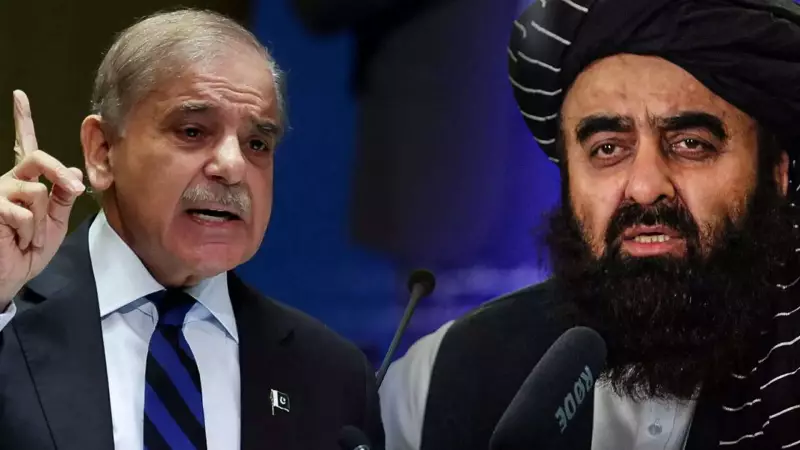
In a sharp rebuke that has ignited a fresh diplomatic crisis, Taliban's Foreign Minister Amir Khan Muttaqi has publicly challenged Pakistan for its criticism of his recent engagements with India. The controversy, which erupted on December 4, 2025, centers on Muttaqi's visit to New Delhi and the historic Deoband seminary, a move that has drawn ire from Islamabad.
A Firm Rejection of Pakistan's Allegations
Muttaqi categorically rejected Pakistan's allegations of Indian involvement with militant groups like the Tehrik-i-Taliban Pakistan (TTP) or the Balochistan Liberation Army (BLA). He accused Islamabad of inconsistency, stating that Pakistan keeps shifting its claims while Afghanistan's position has remained steadfast. The Afghan minister emphasized that such accusations lack a stable foundation and are part of a changing narrative from Pakistan.
Asserting Afghanistan's Sovereign Rights
The core of Muttaqi's argument rested on Afghanistan's sovereign right to forge its own foreign policy. He pointed out the apparent hypocrisy in Pakistan's stance, noting that Pakistan itself maintains an embassy and active trade relations with New Delhi. Therefore, he argued, Kabul is well within its rights to develop its own political and economic ties with India. This statement marks a clear departure from the past and signals the Taliban administration's intent to pursue an independent diplomatic path.

Growing Frustration and Regional Implications
Muttaqi's strong comments underscore the growing frustration in Kabul after months of heightened tensions with its eastern neighbor. This period has been marred by border clashes and Pakistani airstrikes that resulted in Afghan civilian casualties. The Foreign Minister's message is unambiguous: Afghanistan will no longer tolerate being treated as a proxy battleground in regional rivalries. As the Taliban seeks broader international engagement, its outreach to India represents a significant geopolitical recalibration. This shift promises to reshape the complex dynamics of South Asia, with Kabul asserting its agency in a region long dominated by the India-Pakistan rivalry.