As the aircraft touches down in Whitehorse, the capital of Canada's Yukon territory, the winter light immediately captures your attention. It feels soft and gentle, radiating a warmth that defies the freezing temperatures. A thick layer of snow covers the landscape, yet the sun's low angle prevents any harsh glare. Stepping out of the plane, the frigid air hits you instantly. Your breath and words transform into visible plumes of smoky droplets.
A Surprisingly Warm Capital City
Looking at a map, Yukon appears remote, almost at the edge of the world. I arrived in Whitehorse expecting icy wilderness, but discovered unexpected warmth despite sub-zero conditions. For a capital city, it remains remarkably small. Only 28,000 residents call it home. The namesake Main Street stretches merely six blocks. Yet, cafés and stores glow with inviting light. Most buildings showcase cheerful, colorful facades.
People move in and out of shops, greeting each other warmly. They pause for conversations, especially during the brief five to six hours of daily sunlight. The community atmosphere feels genuine and welcoming.

Wildlife Adventures Beyond the City
About thirty minutes from Whitehorse lies the Yukon Wildlife Preserve. This sprawling wilderness area houses over a dozen native species. You can spot lynx, moose, caribou, bison, mule deer, and fox roaming freely. Snow partially blankets the preserve. Even on sunny days, walking requires considerable effort. I joined a diverse group for a guided tour aboard a heated bus.
The ninety-minute tour follows a five-kilometer loop. We observed abundant wildlife while a knowledgeable staff member provided continuous information. They shared insights about the preserve's history, the animals, and the local environment. The experience proved both educational and immersive.
Chasing the Elusive Northern Lights
Early evening brings pitch darkness to Yukon. I ventured out repeatedly, hoping to witness a celestial spectacle. My chances seemed promising near the new moon. Traveling far from Whitehorse, I reached open fields and vast white wilderness. Various methods helped us stay warm: a crackling campfire, a tent with hot beverages, and thick rugs.
A sense of camaraderie developed among our small group. Soon, the air carried the aroma of toasting marshmallows and sausages. We identified constellations, planets, and falling stars, discussing each discovery. Stories about the aurora borealis circulated freely. People spoke of messages from spirits, celestial games, and connections to other worlds. In the flickering campfire light, surrounded by darkness and intense stillness, these tales felt both fantastic and plausible. Unfortunately, the Northern Lights remained elusive that night. I returned after midnight, a pattern that repeated over several days.
Exploring Whitehorse and Beyond
During daylight hours, I wandered along Main Street. Colorful murals adorned building facades, capturing my attention. I frequently visited local cafés, enjoying coffee or hot chocolate while listening to surrounding conversations. Short trips outside town offered additional adventures.
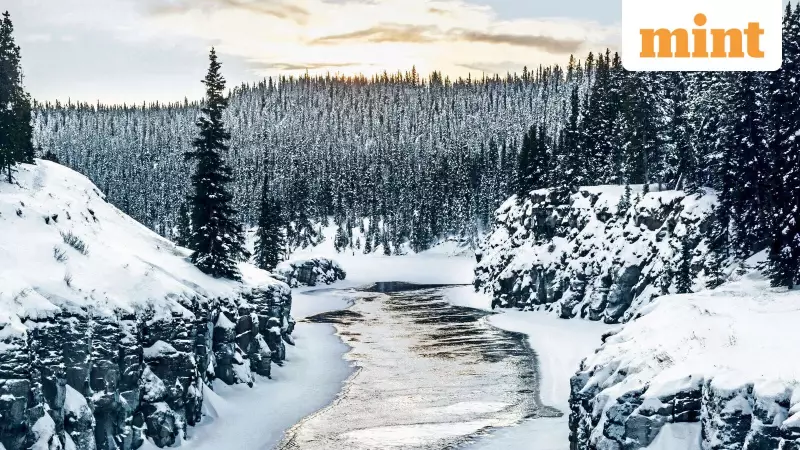
Miles Canyon provided a stunning destination. This basalt-filled gorge showcases the Yukon River's flowing waters, displaying an incredible shade of blue. I lingered until rising winds forced my departure. The cold blast pierced any exposed skin like needles.
Embracing Winter Activities
One morning, craving brisk activity, I traveled to the Annie Lake area. This spot lies about forty-five minutes south of Whitehorse. Strapping on snowshoes, I began clomping through deep snow. The experience felt disorienting initially. Each foot sank at least two feet into the snow. Lifting and placing the other foot forward required some practice.
Once I mastered the technique, snowshoeing became incredibly enjoyable. The soft crunch of snow and the whoosh sound of sinking feet provided simple pleasures. White wilderness and snow-covered bare trees surrounded me. Silence prevailed, broken only by breathing sounds. The tranquility felt profoundly soothing. In the distance, I observed people skiing and snowmobiling. Dog-sledding options also existed, but snowshoeing truly captured my heart.

Museum Hopping on Cloudy Days
A cloudy day prompted museum visits. The MacBride Museum of Yukon History fascinated me with stories told through over 40,000 objects, artworks, and exhibits. Next, the Yukon Transportation Museum detailed the many unusual transportation methods used in the region. People moved themselves and goods across inhospitable weather and terrain.
The museum offered insights ranging from indigenous practices to brave bush pilots. However, the weather vane captivated me before entering. A full-size DC-3 plane, restored and mounted on a sensitive swiveling pedestal, turned with the gentlest breezes. Its nose always pointed directly into the wind.
My museum journey concluded at the SS Klondike, moored on the Yukon River. This massive paddle-wheeler represents a prominent historical transport method and honors the region's inland transportation legacy. Although currently closed for renovation, the vessel mesmerized from outside. I gazed until a stiff river breeze froze my face.
The Persistent Aurora Hunt
Regardless of daytime activities, nights remained dedicated to aurora hunting. Each evening after dark, I traveled in different directions, seeking magical lights. Most attempts proved unsuccessful. On my final night in Yukon, the cloud cover lifted briefly. A fleeting green aura appeared near the horizon.
It remained too faint and short-lived for a proper sighting. Clouds soon masked everything again. I returned reluctantly but found solace in Native American beliefs. They consider the Northern Lights representative of the "circle of life." Perhaps I must revisit Yukon someday. This thought provides great hope for future adventures.